

Order Subtotal
0.00
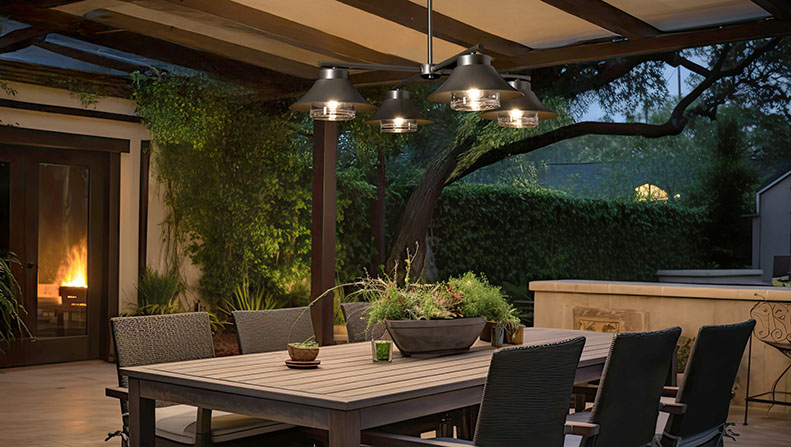
International Dark Sky Week is an annual initiative designed to raise awareness of light pollution, originally proposed in 2003 by Jennifer Barlow, then a high school student from Midlothian, Virginia. Held each April around Astronomy Day, the observance is organized by DarkSky International (formerly the International Dark-Sky Association), the leading nonprofit dedicated to preserving the night sky. In 2026, International Dark Sky Week runs from April 13 to 20, with the theme "Go Dark."
The primary goals of Dark Sky Week are to raise awareness about the negative effects of light pollution and to inspire people to celebrate the night sky by taking action to protect it. Light pollution, the unnatural brightening of the night sky caused by artificial light sources, has been increasing far faster than previously thought. Satellite measurements once put the growth rate at around 2% per year, but a 2023 study in the journal Science, based on ground observations from tens of thousands of citizen scientists, found that night sky brightness has actually been increasing by roughly 9.6% per year worldwide, enough to double global sky brightness about every eight years. Light pollution is most prominent in densely populated, urban areas, which accounts for our inability to see many stars while in a city; the farther out into the country you go, the more stars and other astronomical objects become visible in the night sky.
On one hand, artificial light has enabled tremendous advances in human civilization. On the other hand, the unwanted side effects of light pollution have serious consequences. In addition to inhibiting astronomical research and disconnecting us from the night sky that inspired our ancestors, light pollution disrupts our natural circadian rhythms, the internal body clocks that let us know when it's time to sleep and time to wake up, as well as wildlife ecosystems.
Fortunately, there are specific measures that prevent light pollution by reducing excessive light and shielding misdirected light from projecting into the night sky. In the interest of night sky preservation, as well as safety, security, and aesthetics, the primary purposes of outdoor lighting, a little forethought goes a long way.
Save energy and avoid unnecessary and excessive outdoor lighting with lighting controls: timers, dimmers, and motion sensors that ensure lights are on only when needed.
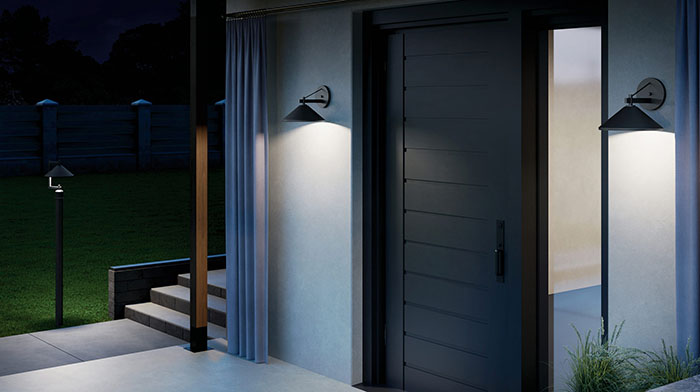
Properly shielded outdoor fixtures concentrate light where it's needed, projecting outward and toward the ground, not up into the sky. Dark sky lighting standards are gaining ground state by state. Maine's LD 1934, enacted in 2026, now sets some of the strictest public lighting requirements in the country, and states including Illinois, New York, and Hawaii have introduced similar legislation. Even where it isn't required by law, choosing dark sky friendly fixtures is a good idea no matter where you live.
Shop Dark Sky Compliant outdoor wall, ceiling, and suspension lighting at Lightology.





 (312) 944-1000
 215 W. Chicago Avenue, Chicago, IL 60654