

Order Subtotal
0.00
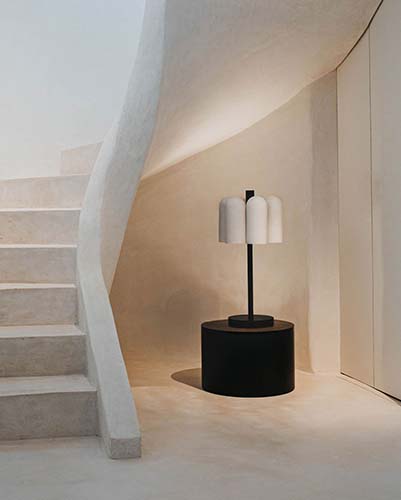
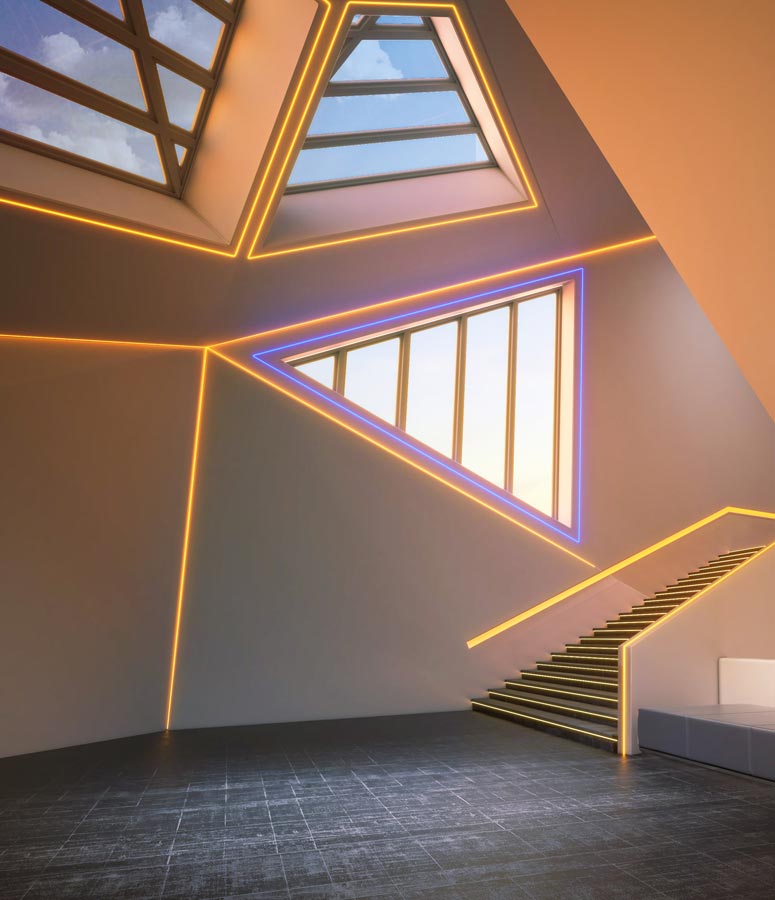
Hallways and staircases are the circulatory system of your home, connecting one space to the next. Proper lighting in these transitional zones is essential for safety, flow, and visual continuity, making them functional features rather than just passageways.
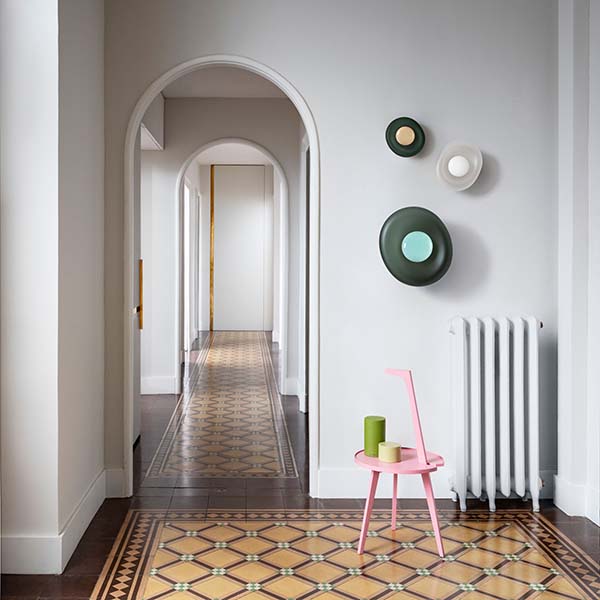
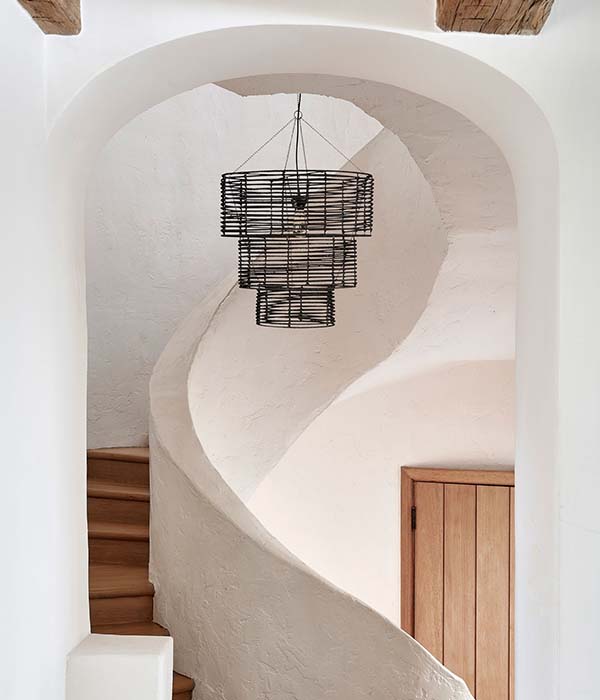
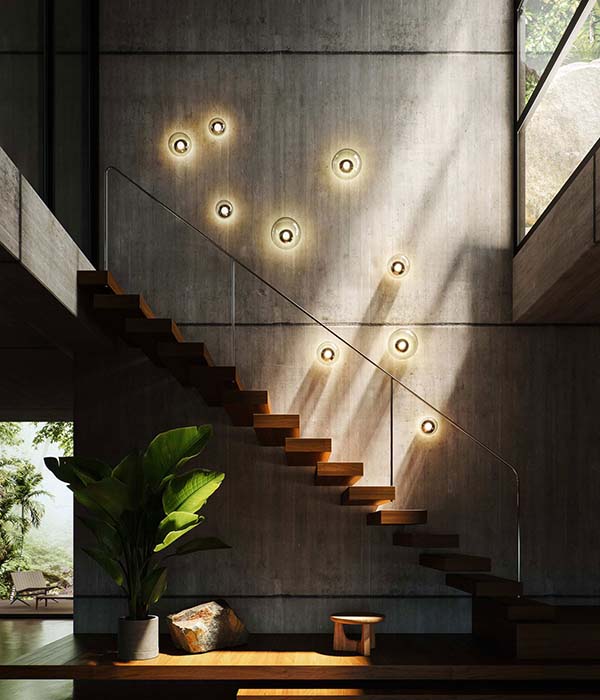
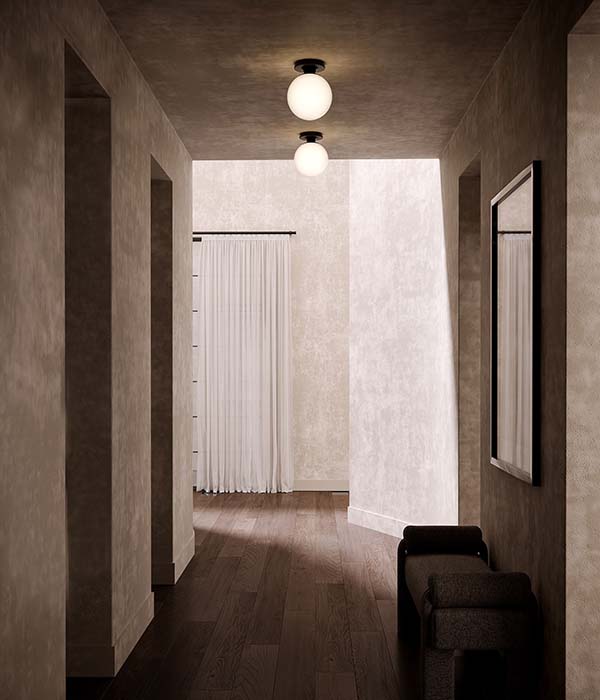
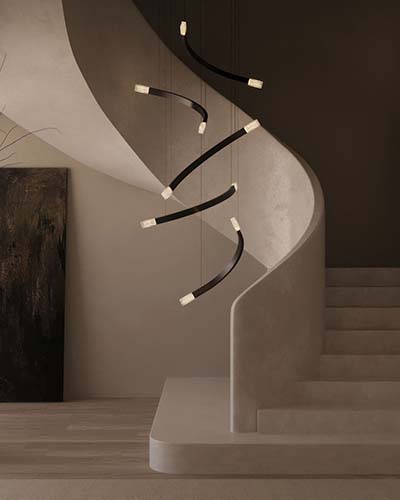
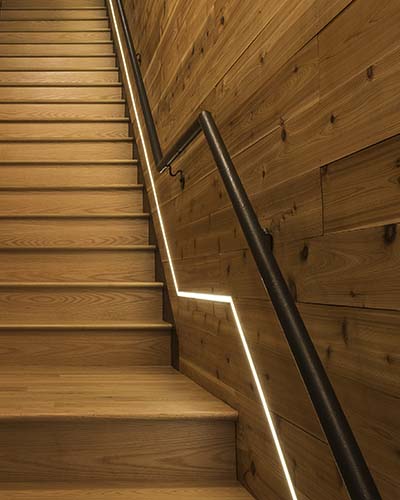
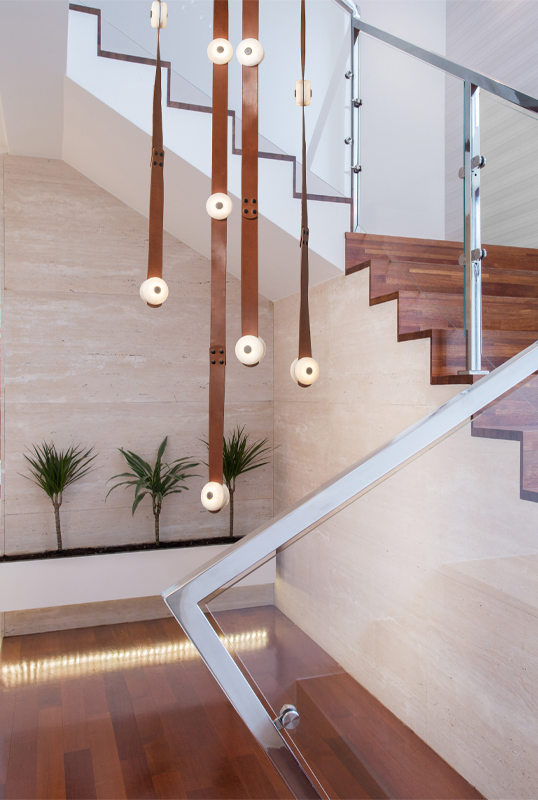
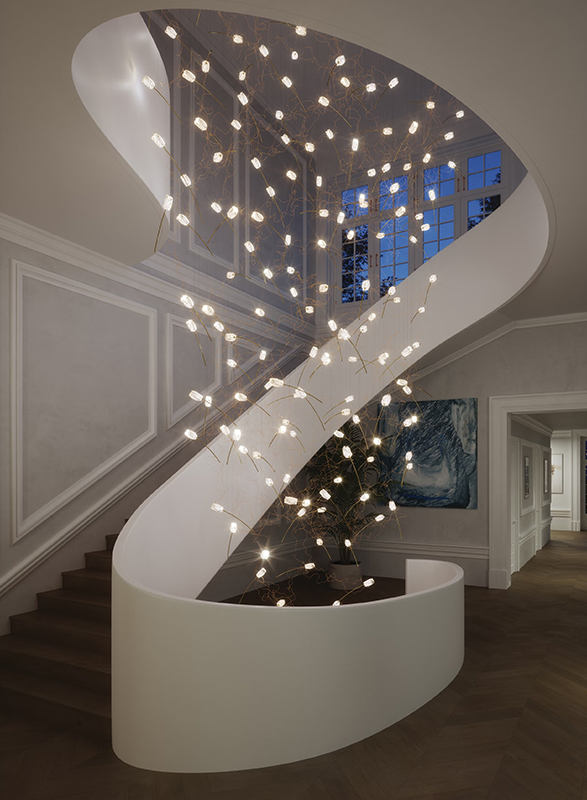
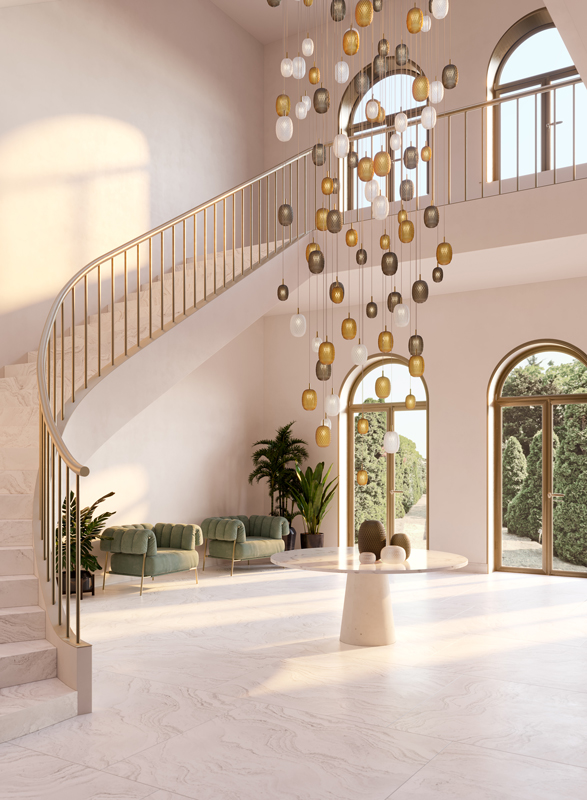
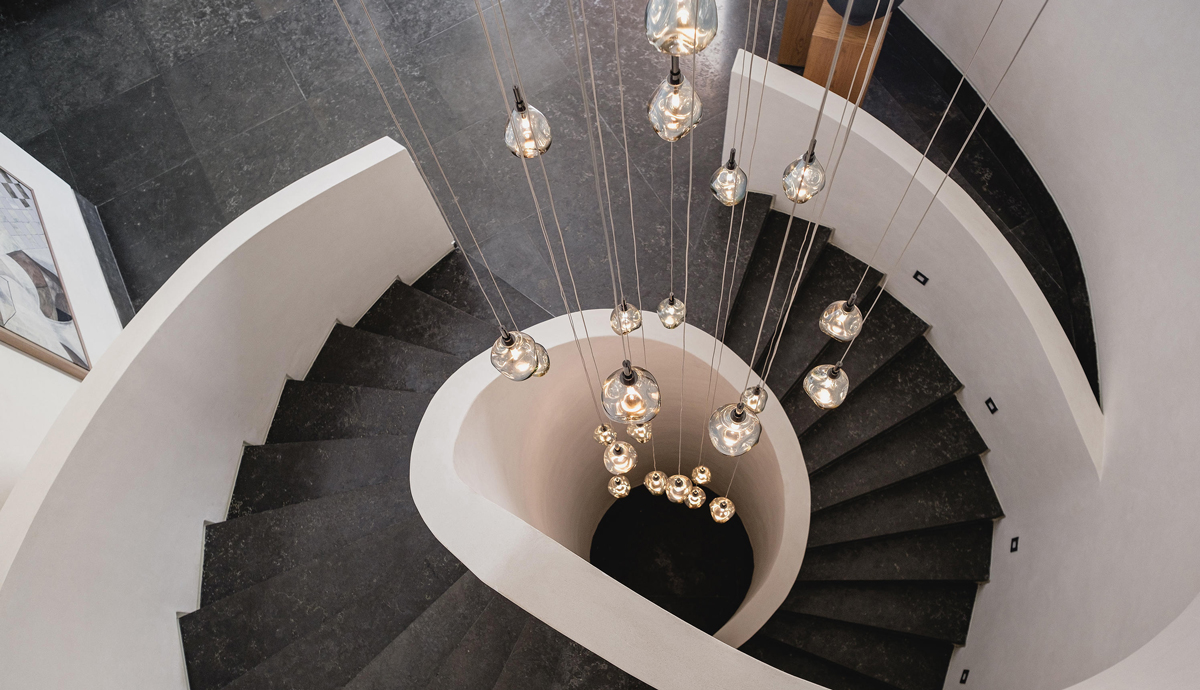
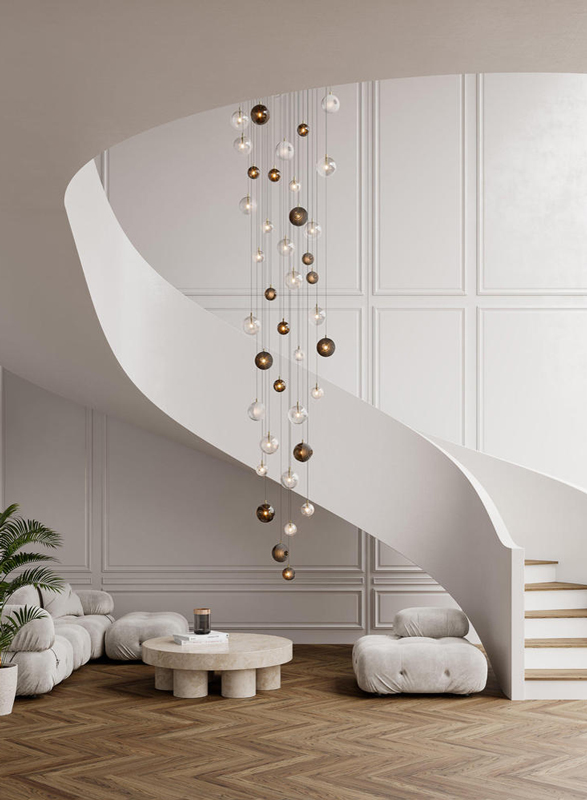
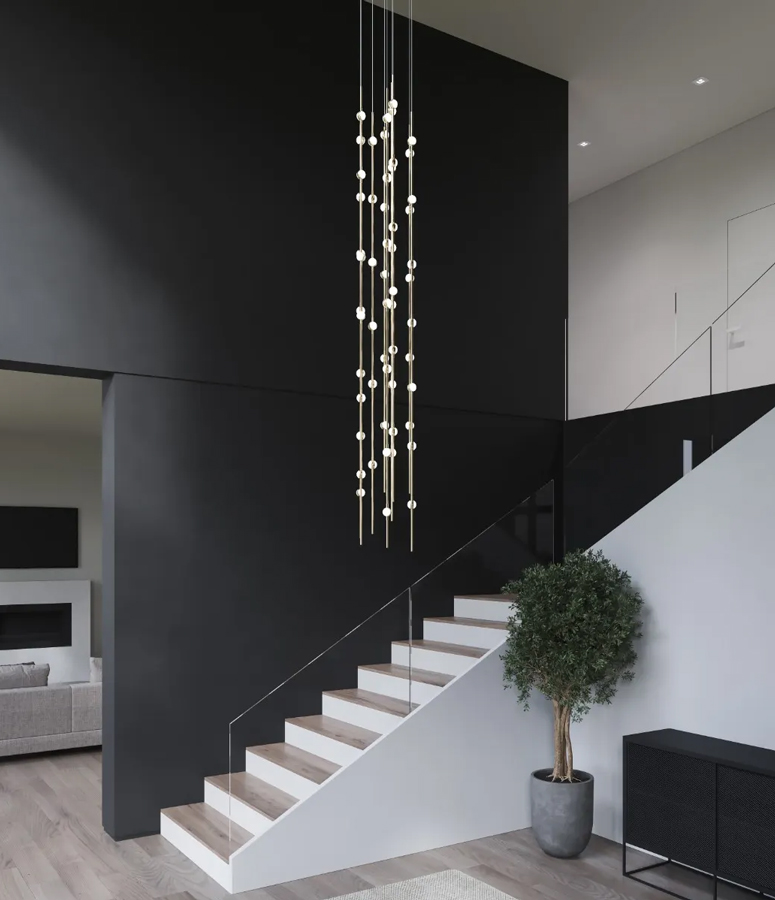
Discover complete lighting systems designed to illuminate hallways and staircases with both beauty and precision. From architectural step systems like Reveal Cove and Pathway to grand suspension installations perfect for two-story stairwells, these systems provide the layered, continuous light that transforms transitional spaces into intentionally designed architectural features of your home.
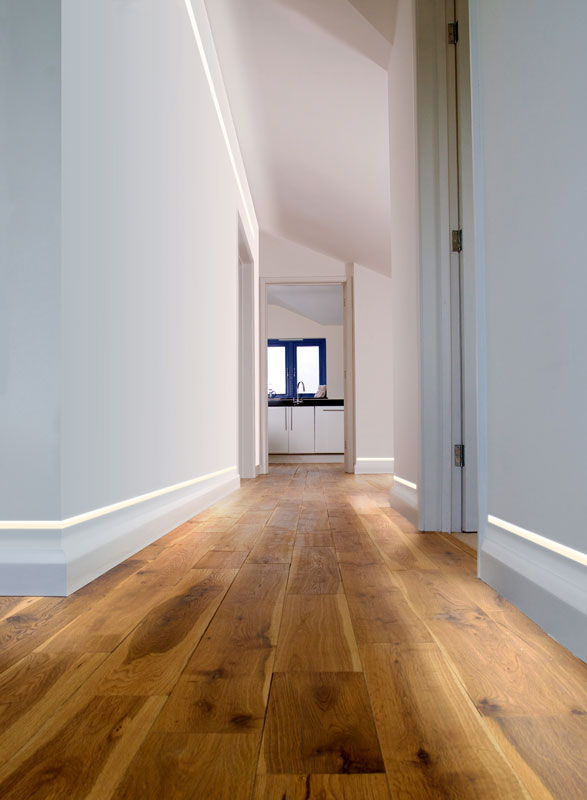
Recessed plaster-in LED architectural lighting, installed in just 5/8" thick drywall.
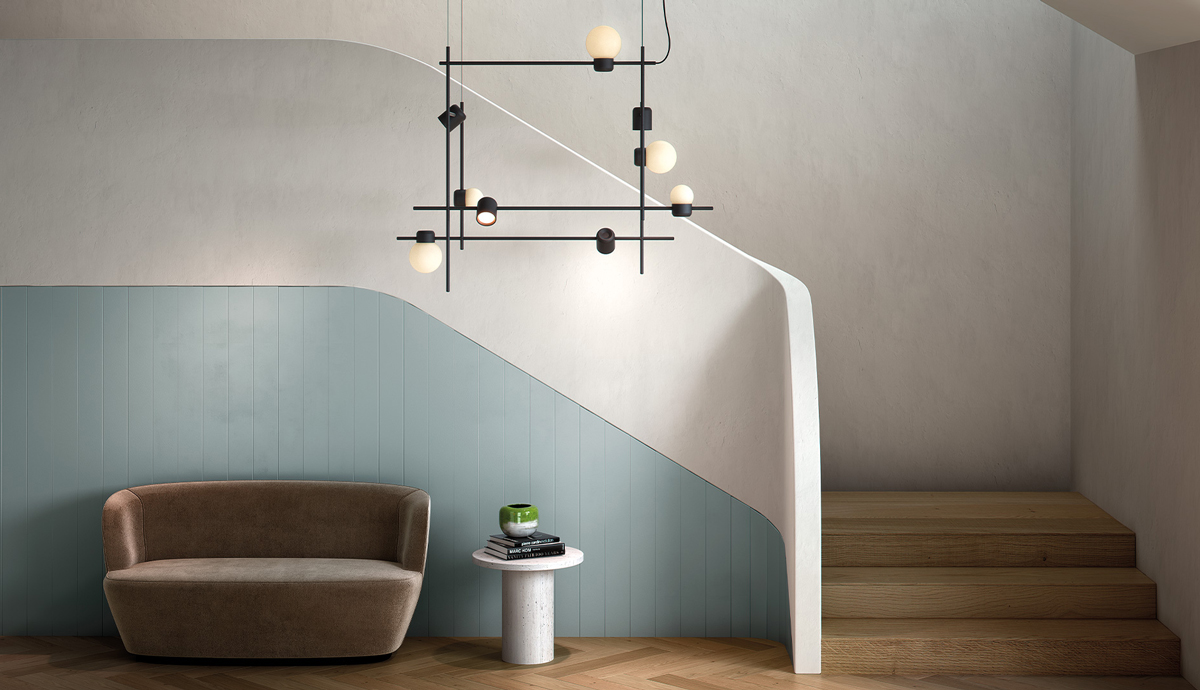
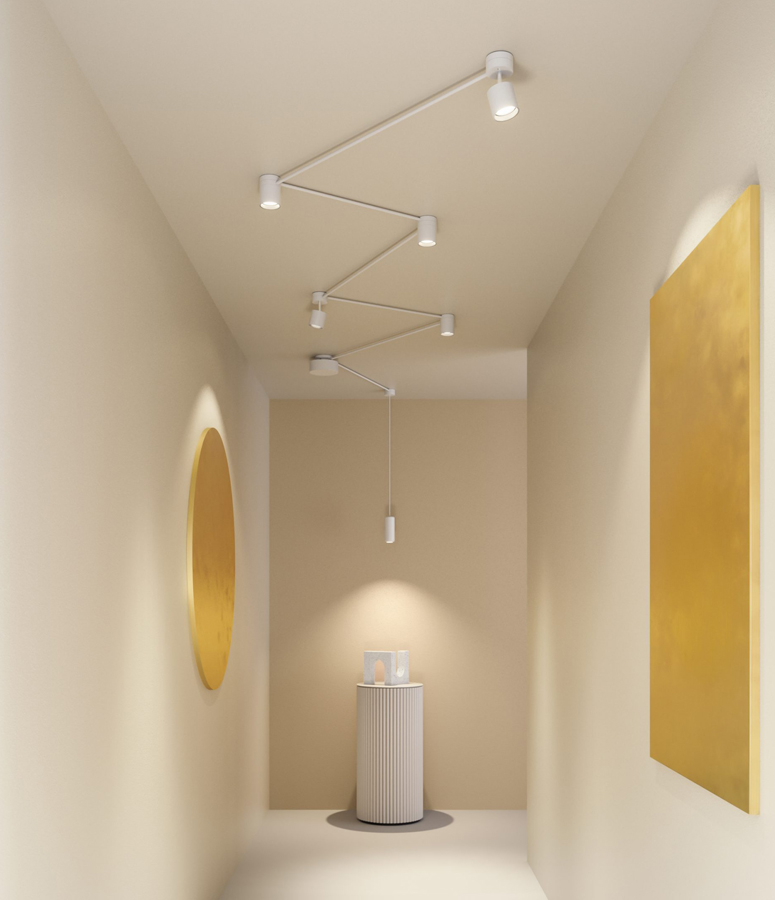
A modular system of ambient and task lights, connected by minimalist, industrial rods.
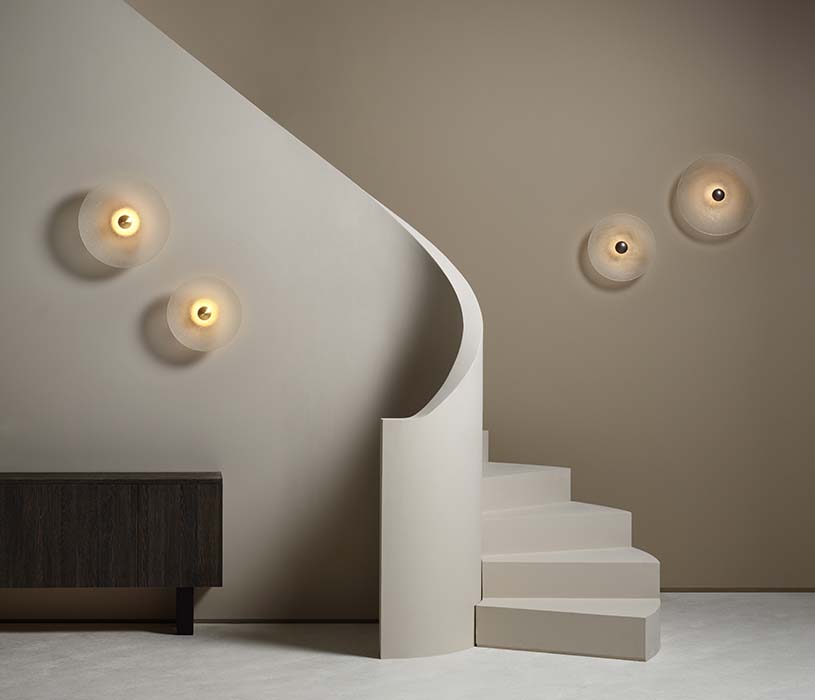
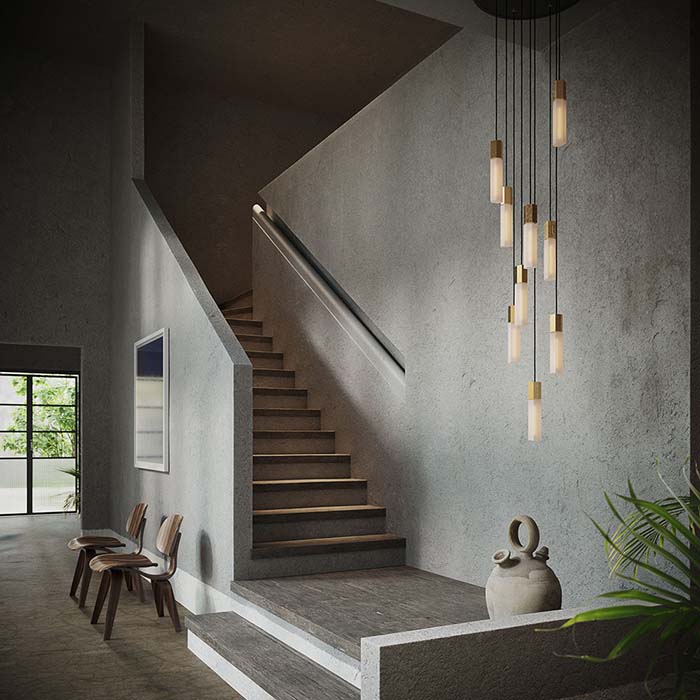
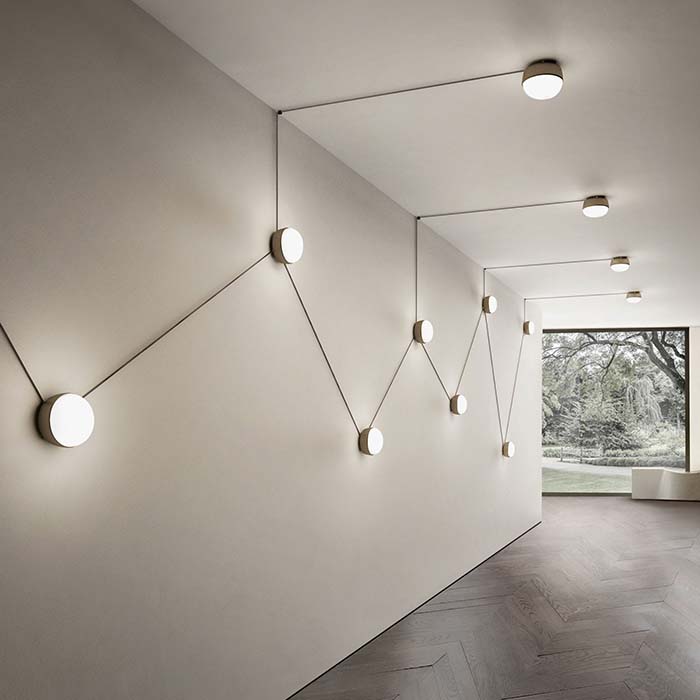
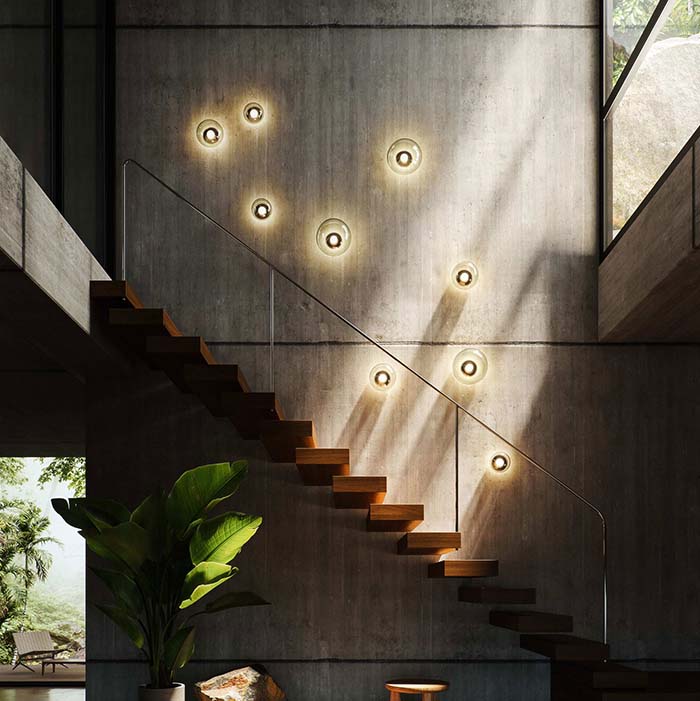

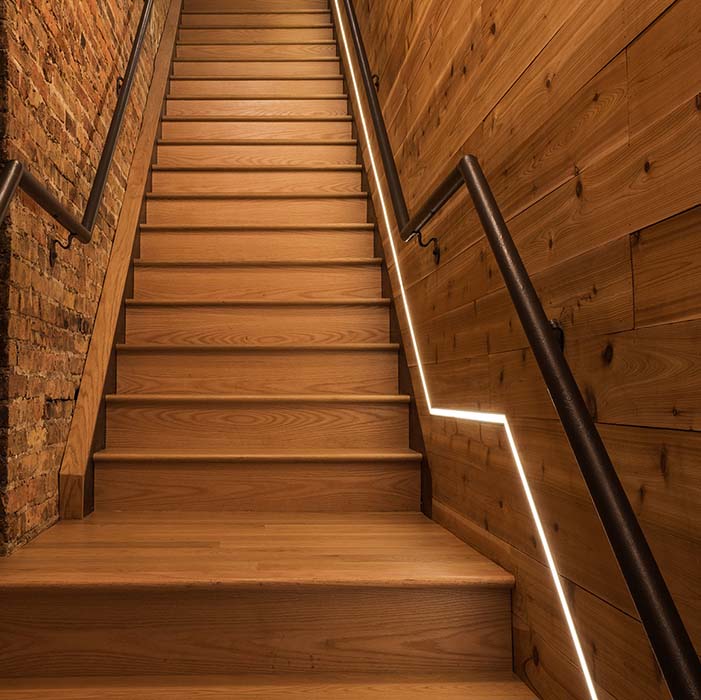
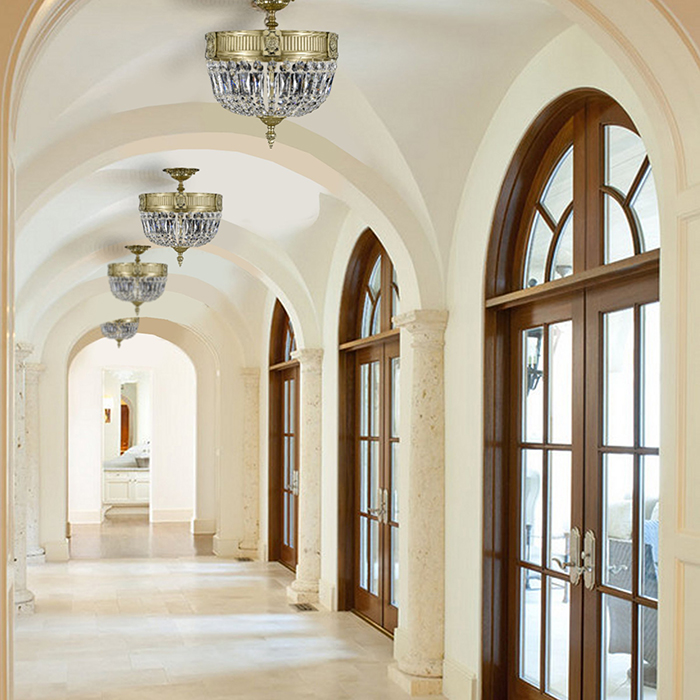
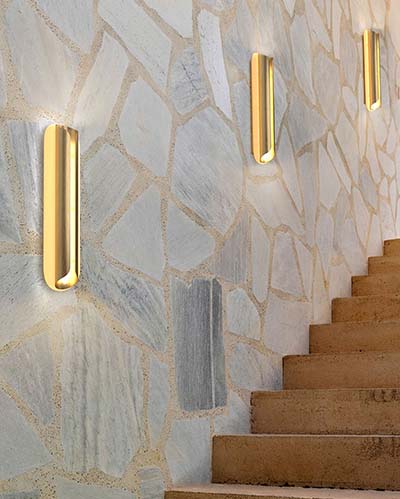
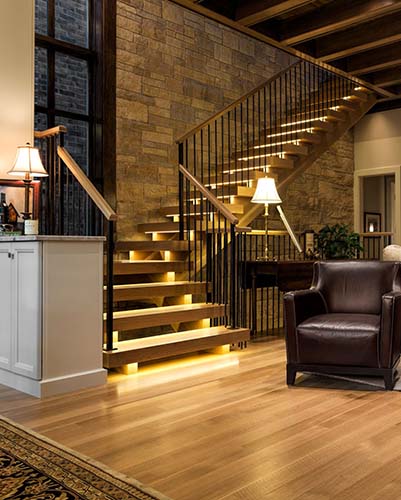
Stairways present the highest risk for falls, making strategic lighting a safety imperative. The goal is to clearly illuminate the edge of every step.
Focus light directly onto the horizontal surface (the tread) of the steps to eliminate confusing shadows.
Supplemental overhead lighting ensures the entire staircase is welcoming and well-lit.
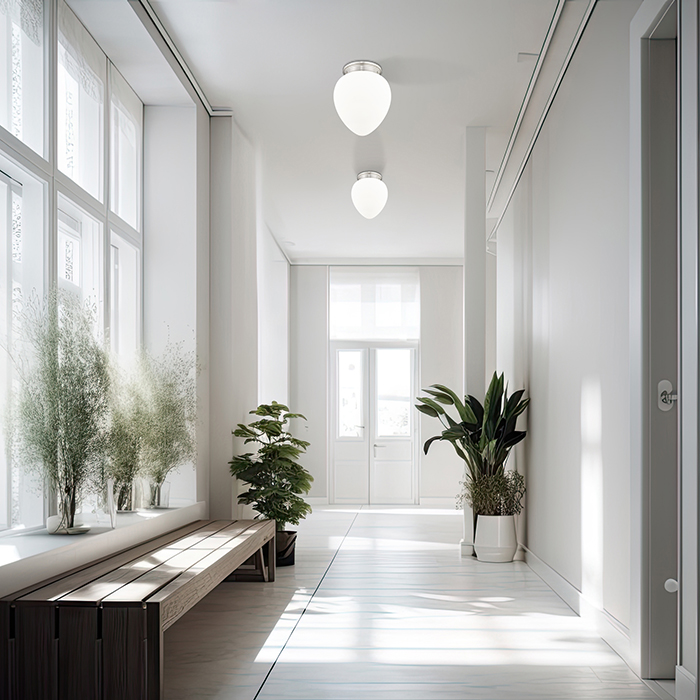
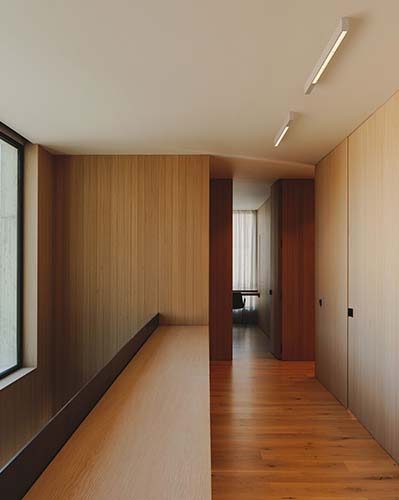
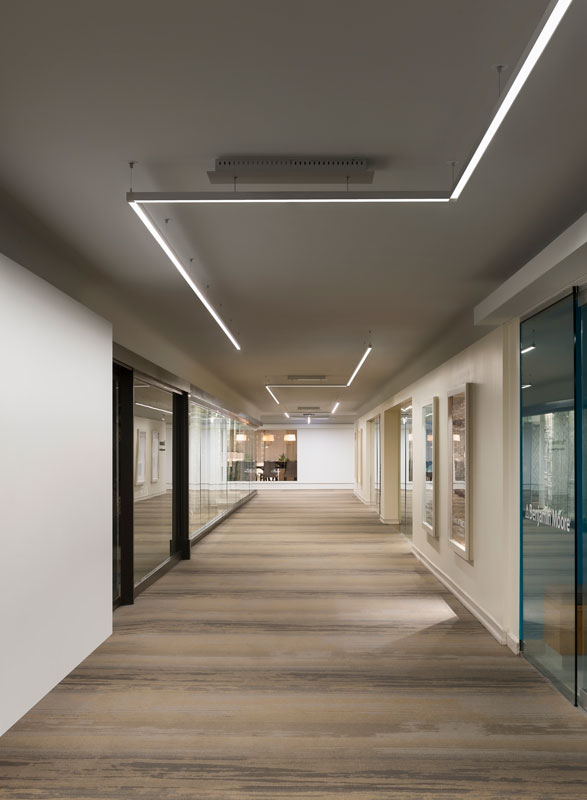
Hallways can feel long and dark. The right lighting selection can make them feel expansive, welcoming, and intentionally designed.
Avoid relying on a single overhead fixture, which often creates dark corners. Use multiple sources to layer the light.
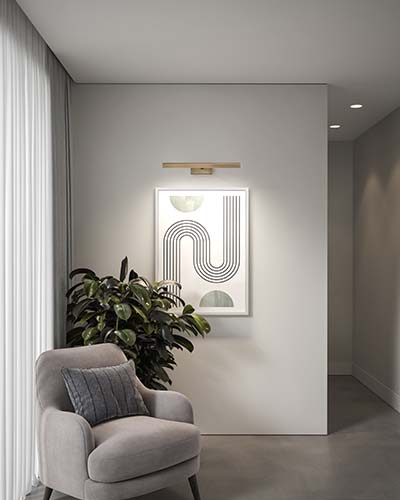
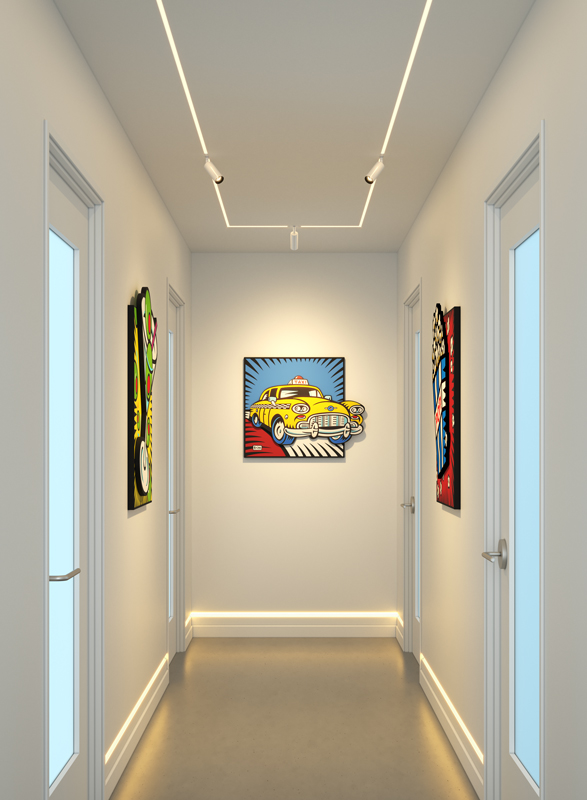
Hallways are perfect for displaying art, photographs, or shelving. Use light to bring these features to life.
Connect with our lighting design experts for personalized foyer lighting recommendations tailored to your ceiling height, space size, and design aesthetic. Schedule a complimentary consultation for professional guidance on chandelier sizing, hanging height, and layered lighting strategies that make a lasting first impression. Explore our How-To Guides for installation tips and hall and stairway lighting inspiration.
Stay tuned with
deals & trends
Sign up to receive access to exclusive sales & promotions!
This site is protected by reCAPTCHA and the Google Privacy Policy and Terms of Service apply.




 (312) 944-1000
 215 W. Chicago Avenue, Chicago, IL 60654