Transform Architectural Spaces with the Plusminus Collection by Vibia
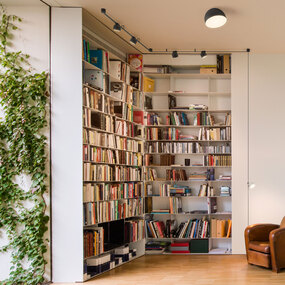
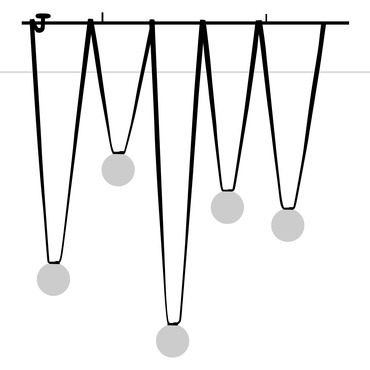
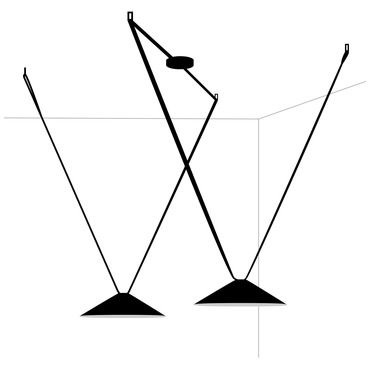
Designed by Stefan Diez for Spanish manufacturer Vibia, the Plusminus Collection breaks away from traditional rigid lighting tracks by using a flexible, conductive fabric belt. This fabric strap acts as both the structural framework and the electrical conductor, allowing diverse lighting elements to be clipped, suspended, or tensioned anywhere along its length. By merging textile innovation with modern LED technology, Plusminus allows architects and designers to draw custom lines of light across ceilings, walls, and open spaces in residential interiors, creative offices, and hospitality venues.
Key Specifications & Features
Flexible Conductive Fabric Belt: A high-tensile textile strap transports low-voltage power along its entire surface, allowing lighting fixtures to attach without hardwiring points.
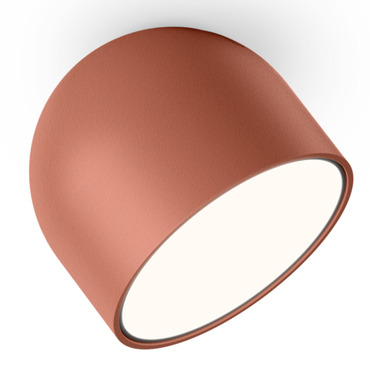
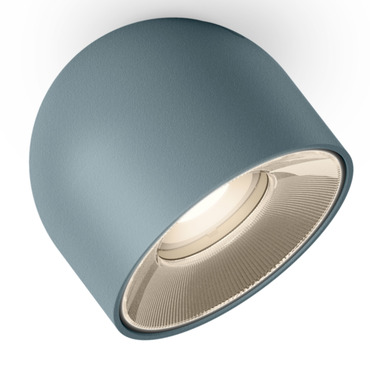
Modular Fixture Attachments: Compatible with various interchangeable lighting modules, including spotlights, linear diffusers, spherical globes, glass shades, and semi-spherical pendants.
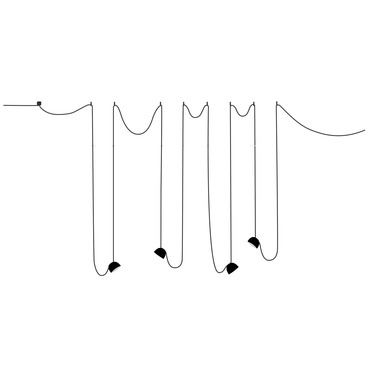
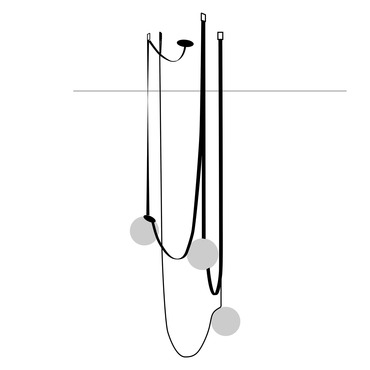
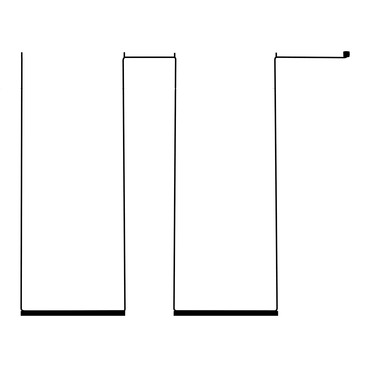
Versatile Mounting Systems: Supports tensioned floor-to-ceiling lines, loose catenary drapes, wall-to-wall spans, and direct surface-mounted track layouts.
Easy Click-and-Lock Assembly: Fixtures use an intuitive clip mechanism that secures into the belt, enabling effortless repositioning without specialized tools.
Advanced Dimming Controls: Fully compatible with Casambi smart lighting app controls, 0-10V, DALI, and standard phase-cut dimming protocols.
Frequently Asked Questions
How does the Vibia Plusminus system conduct electricity?
The system uses a flexible textile strap woven with conductive elements that carry low-voltage electricity, allowing fixtures to be attached anywhere along the belt.
Who designed the Vibia Plusminus Collection?
The Plusminus Collection was designed by Munich-based industrial designer Stefan Diez for Vibia.
Can light fixtures be moved after installation on Plusminus?
Yes, the fixtures feature a simple click-in attachment mechanism that allows them to be unclipped, moved, and reattached along the fabric strap whenever spatial needs change.





 (312) 944-1000
 215 W. Chicago Avenue, Chicago, IL 60654