

Order Subtotal
0.00
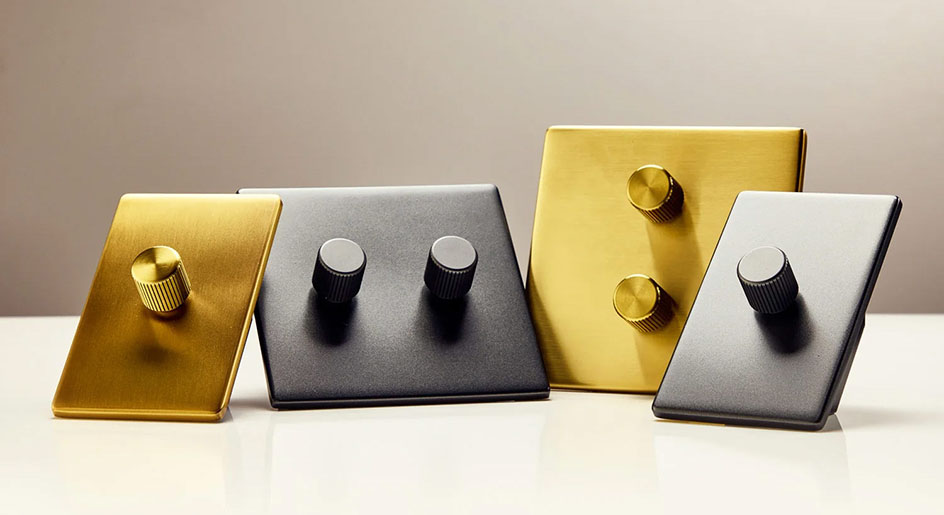
There are six main dimmer types, and each one is built for a specific kind of fixture: forward-phase (TRIAC), reverse-phase (ELV), magnetic low-voltage (MLV), 0-10V, DALI/DMX (mostly commercial), and smart dimmers (which typically run forward-phase or reverse-phase technology, plus app or voice control).
Matching the dimmer to your fixture's driver or transformer is what actually matters — not all bulbs are dimmable, and not all dimmers dim all bulbs. Always check the fixture, bulb, and dimmer specifications before you buy.
Load matters too. If you're running ten 50-watt recessed cans, you need a dimmer rated for at least 600 watts (10 cans x 50 watts each = 500W). Multiple dimmers ganged together in one electrical box de-rate each other — a 600-watt dimmer can drop to 500 watts at the end of a gang, or 400 watts in the middle. Also confirm whether your fixtures need to be controlled from a single location (single-pole) or multiple locations (3-way or 4-way).
Dimming lets you set the mood in a room, but it also saves energy and extends bulb life. A fixture at full brightness on a dimmer typically saves 4–9% in electricity versus no dimmer at all, and dimming a fixture by 20% saves roughly 20% in energy.
With LEDs specifically, dimming also reduces heat inside the fixture, which can modestly extend the life of the LED driver over time.
Not automatically — the 3-way (or 4-way) switch has to be compatible with the specific dimmer you're using. Manufacturers publish compatible companion switch lists for exactly this reason, so check the dimmer's documentation before wiring a multi-location setup.
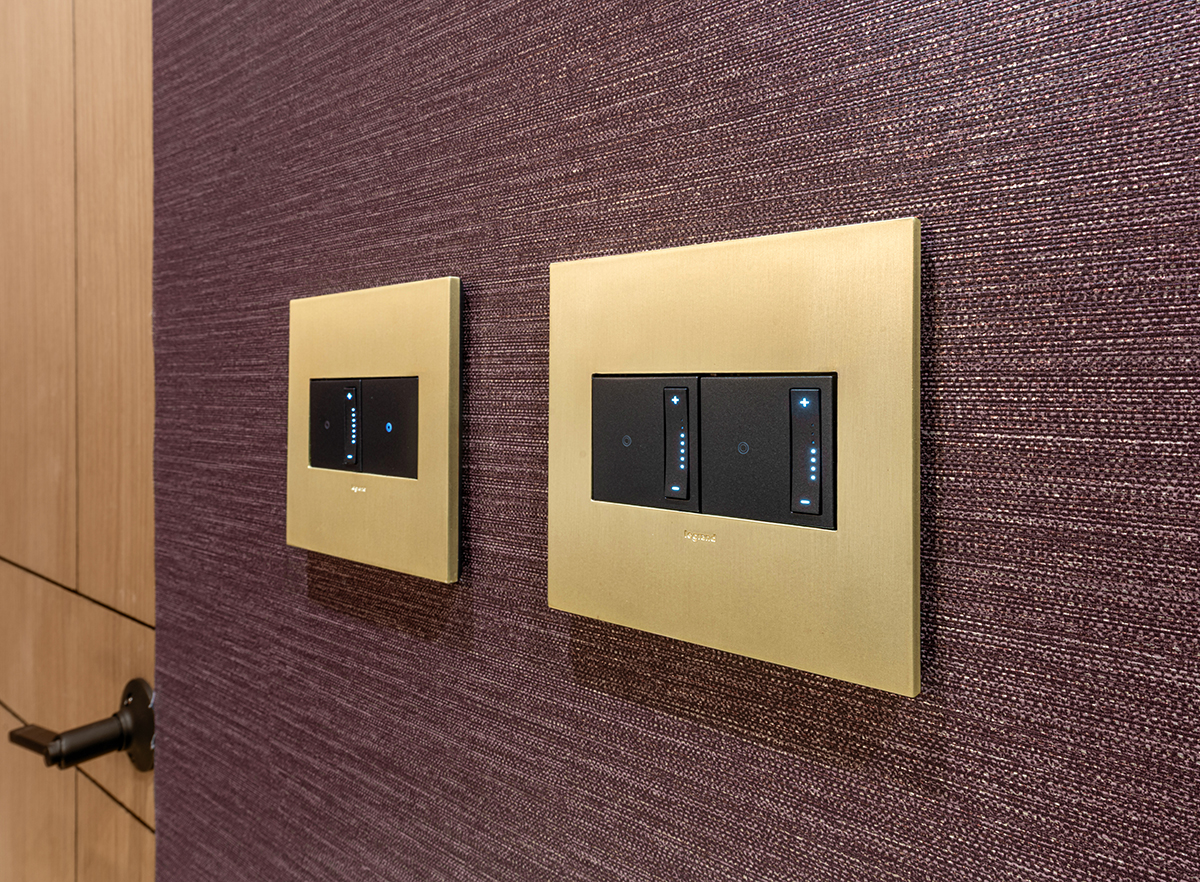
Not directly. A 3-way dimmer is designed to work with a paired 3-way switch at a second location (top and bottom of a staircase or two doors into the same room); a 4-way switch adds a third control point. Some manufacturers, including Legrand, make dimmers and paddle switches that function as either single-pole or 3-way, so a single product line can cover both setups — but always confirm compatibility in the spec sheet rather than assuming.

Most dimmable LED bulbs and fixtures can be dimmed, but LED doesn't automatically mean dimmable, check the bulb or fixture's listed specifications first. Manufacturers of both dimmers and LED bulbs publish compatibility charts (tested pairings), and it's worth checking both lists rather than assuming a dimmer will work with a given bulb.
Many fixtures today use integrated LEDs rather than a replaceable bulb, same rule applies: confirm dimmability and compatible dimmer types in the fixture's spec sheet.
One thing that trips people up: incandescent and halogen bulbs warm in color as you dim them, but most standard LEDs stay the same color, or can even shift slightly cooler. If you want that classic warm, cozy fade, look for LED products specifically labeled warm dim, dim to warm or comfort dim, or warm glow — these are designed to mimic incandescent-style color shift as they dim.
No, low-voltage (12V or 24V) fixtures need a dimmer built for that transformer type. Check whether the transformer is magnetic (use an MLV dimmer, forward-phase) or electronic (use an ELV dimmer, reverse-phase). Putting the wrong type on a magnetic transformer, in particular, can cause a damaging voltage spike. Standard line-voltage (120V) dimmers aren't interchangeable with either.
0-10V dimming controls the low-voltage side of a compatible driver or power supply directly, using a separate DC signal that ranges from 0 to 10 volts (roughly 1V to 10V in practice) rather than modulating the 120V line signal. It requires two extra low-voltage control wires run to the dimmer and is the standard approach for commercial LED and fluorescent installations, especially where dimmers need to integrate with occupancy or daylight sensors.
Yes, a warm dimmer is normal. If it's too hot to touch, that's not normal, and you should have a qualified electrician take a look.
Dimmers have heat sinks (fins) built into the sides to dissipate heat. When several dimmers or switches are ganged together in one box, those fins get partially blocked, which lowers the dimmer's effective wattage rating (that's the same de-rating mentioned above — a 600-watt dimmer can become a 500- or 400-watt dimmer). A dimmer on its own in a single-gang box, carrying more of its rated load, may run warmer to the touch than one sharing a box with other devices.
A standard dimmer shouldn't be directly exposed to the elements, but you can install a UL-listed, outdoor-rated wall box cover to protect an interior-rated dimmer used in a covered outdoor location. For fully exposed outdoor applications, look for dimmers and controls specifically rated for outdoor/wet locations.
Have questions about which dimmer works with a specific fixture? Lightology's ALA-certified lighting experts can help you match the right dimmer to your fixture, bulb, and room setup.
Stay tuned with
deals & trends
Sign up to receive access to exclusive sales & promotions!
This site is protected by reCAPTCHA and the Google Privacy Policy and Terms of Service apply.






 (312) 944-1000
 215 W. Chicago Avenue, Chicago, IL 60654