Adjustable Pulley Pendant Lights
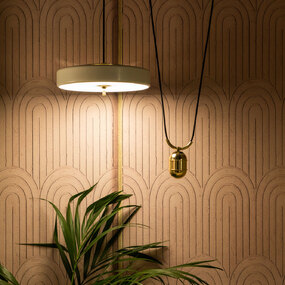
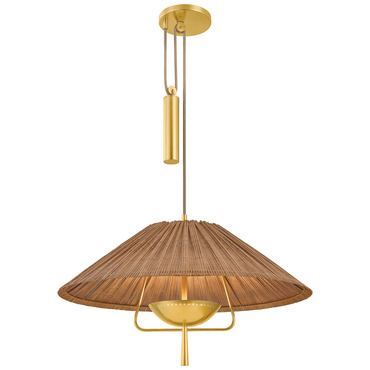
Adjustable pulley pendant lights combine suspended lighting with the ability to change the fixture height after installation. Depending on the design, a pulley, counterweight, weighted cord, or rise-and-fall mechanism allows the pendant to move vertically, adding a functional element to the suspension while making height part of the design itself.
These adjustable pendant lights range from streamlined contemporary forms to industrial, vintage-inspired, and more decorative designs. Some make their mechanical components a prominent visual feature, while others integrate the adjustment system more discreetly into the fixture.
Why Choose a Height-Adjustable Pendant?
A conventional pendant is generally positioned at a set suspension height during installation. An adjustable pendant provides greater flexibility, allowing the light to be raised or lowered as needed within the limits of its particular mechanism.
This can be useful in spaces where lighting needs change throughout the day. A pendant can be brought closer to a work surface for more focused illumination or raised to create additional visual clearance. Adjustment range, operation, and suspension method vary by fixture, so review the individual product specifications when comparing designs.
Adjustable Pendants for Kitchen Islands and Counters
Kitchen islands and counters are natural applications for adjustable pulley pendants because the light can respond to different activities. Lowering a fixture can bring the light source closer to the work surface, while raising it can open sightlines across the kitchen or accommodate entertaining.
When choosing a pendant for an island, consider the dimensions of both the fixture and the surface below it. A single substantial pendant can create a strong focal point, while smaller adjustable pendants can be installed in multiples when the proportions of the island and fixtures support a grouped arrangement.
Using Rise-and-Fall Pendants Above a Dining Table
Rise-and-fall pendant lights can be particularly useful above dining tables, where both illumination and atmosphere may change with the occasion. The ability to adjust the suspension height gives you greater control over the relationship between the fixture, tabletop, and surrounding room.
Consider the pendant's width or diameter, visual weight, and available adjustment range in relation to the table. The shade or light source should provide comfortable illumination without unnecessarily obstructing views between people seated across from one another.
Pulley, Counterweight, and Rise-and-Fall Designs
Adjustable pendant lighting encompasses several approaches to movement. Pulley systems use mechanical hardware to guide the suspension, while counterweighted designs balance the fixture to facilitate vertical adjustment. Rise-and-fall pendants may use weights, cords, cables, or other mechanisms to achieve a similar result.
The adjustment system can also contribute significantly to the fixture's appearance. Exposed pulleys, counterweights, cords, and metal hardware can emphasize an industrial or utilitarian character, while more refined mechanisms allow adjustable lighting to work within contemporary and design-focused interiors.
Choosing the Right Size and Adjustment Range
Start with the proportions of the room and the surface or area the pendant will illuminate. Fixture diameter, shade dimensions, suspension length, and visual weight all influence how substantial a pendant appears once installed. An open or transparent fixture can feel lighter than an opaque design of similar dimensions.
For an adjustable pendant, the vertical range is equally important. Consider both the lowest and highest positions you expect to use and confirm that the fixture's specified adjustment range works with your ceiling height and application. Installation requirements can differ significantly among pulley and counterweight systems.
Light Direction, Shades, and Materials
The adjustable mechanism does not determine how a pendant distributes light. Shade shape, material, diffuser design, and light source have a greater influence on whether illumination is directed primarily downward, diffused into the room, or distributed in multiple directions.
Metal shades can provide a more focused appearance, while glass and other translucent materials may allow more light to become part of the fixture's visual presence. The assortment also includes a range of finishes and materials, making it possible to choose an adjustable pendant for industrial, contemporary, transitional, and other interior settings.
Light Sources and Dimming
Adjustable pulley pendants are available with different light-source configurations. Depending on the fixture, this may include replaceable bulbs or integrated LED technology. These options should not be treated as interchangeable, particularly when comparing light output, color temperature, dimming, and long-term maintenance.
Check each product's specifications for bulb requirements, lumen output, color temperature, CRI, and compatible dimming controls where applicable. These details are especially important when the pendant will provide functional illumination over a kitchen island, dining table, desk, or other frequently used surface.
What to Consider Before Installation
Adjustable fixtures require careful attention to both their mounting requirements and their range of movement. Ceiling height, junction box location, suspension hardware, and the area beneath the fixture can all affect how well a particular design works in the space.
Also consider how frequently you expect to change the pendant height and how the adjustment mechanism operates. Because installation and adjustment methods vary among designs, consult the individual product specifications and installation instructions before selecting a fixture for a particular application.
Shop Adjustable Pulley Pendants at Lightology
Lightology's selection of adjustable pulley pendant lights includes pulley, counterweight, weighted, and rise-and-fall designs in a range of sizes, materials, finishes, and styles. Explore adjustable pendants for kitchen islands, dining tables, work surfaces, and other spaces where flexible suspension height can add both practical versatility and a distinctive design element.










 (312) 944-1000
 215 W. Chicago Avenue, Chicago, IL 60654