Ceramic Pendant Lights
Ceramic pendant lights bring material, texture, and sculptural form to overhead lighting. From smooth porcelain and refined glazed surfaces to earthy textures and expressive finishes, ceramic gives pendant lighting a tactile quality that can feel both contemporary and timeless. The material's versatility allows it to take on clean geometric forms, organic silhouettes, decorative patterns, and shapes influenced by traditional pottery and craft.
Modern ceramic pendants can serve as understated architectural elements or distinctive focal points. Their natural materiality pairs easily with wood, stone, metal, glass, and textiles, making ceramic lighting a versatile choice for kitchens, dining rooms, bedrooms, entryways, and other interiors.
Ceramic Pendant Lights for Kitchen Islands
Ceramic pendant lights are particularly well suited to kitchen islands, where their shape and material can add warmth to cabinetry, countertops, and other hard surfaces. Smaller ceramic pendants can be repeated in a row to create rhythm across a long island, while a larger fixture can make a stronger statement on its own.
When selecting ceramic kitchen pendant lights, consider the width of the island, fixture dimensions, spacing, suspension length, and the type of illumination provided. Opaque ceramic shades often direct more of the light through an opening in the fixture, while designs incorporating translucent materials or more open forms may distribute light differently. Review the specifications for each pendant to understand its intended lighting effect.
Ceramic Pendants for Dining Rooms
In a dining room, a ceramic pendant can introduce a softer, more tactile counterpoint to wood, glass, and metal furnishings. A single large pendant can anchor a smaller dining table, while multiple fixtures or multi-light compositions can extend across longer tables and create a more substantial focal point.
Ceramic also offers an appealing alternative to familiar glass and metal pendant lighting. Its opaque surface emphasizes the shape and finish of the fixture itself, allowing the pendant to function as a sculptural object during the day as well as a source of illumination after dark.
Modern Ceramic Pendant Lighting
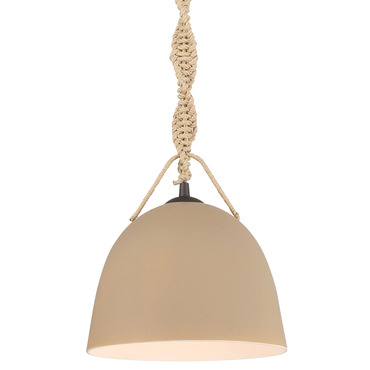
Ceramic lighting is not limited to rustic or traditional interiors. Contemporary ceramic pendants often use simplified silhouettes, restrained finishes, and unexpected proportions to highlight the inherent character of the material. Matte surfaces can create a quiet, architectural effect, while glossy glazes, saturated colors, and textured finishes make the ceramic body a more prominent decorative element.
These qualities allow ceramic pendant lights to complement a range of interiors, including contemporary, minimalist, Scandinavian, coastal, transitional, and globally inspired spaces. The same material can feel refined and precise or intentionally organic depending on how it is formed, finished, and combined with other elements.
Glazed, Textured and Natural Ceramic Finishes
Surface treatment plays an important role in the appearance of ceramic lighting. Glazed ceramic can have a smooth, reflective finish that emphasizes color and form, while matte and textured surfaces reveal more of the material's tactile character. Decorative patterns, relief details, perforations, and variations in finish can add further depth to a pendant's surface.
Ceramic can also display subtle variations that contribute to its visual character, particularly when traditional or hand-finishing techniques are involved. The degree of variation depends on the individual product and manufacturing process, so review product descriptions and imagery when selecting a fixture where exact color or finish consistency is important.
White, Black and Colorful Ceramic Pendants
Color can dramatically change the character of a ceramic pendant. White and neutral finishes emphasize form and can blend easily into light, minimal interiors. Black and darker ceramic finishes create greater contrast, particularly against pale walls and ceilings, while earthy tones can reinforce the natural quality of the material.
Glazed ceramic also lends itself to expressive color. Blue, green, red, yellow, and other colorful finishes can turn a pendant into a focal point and provide an opportunity to introduce color without changing larger elements of the room. When choosing a finish, consider how the pendant relates to cabinetry, tile, countertops, furniture, and surrounding architectural materials.
Handcrafted and Artisan-Inspired Ceramic Lighting
Ceramics have a long connection to craft, and many contemporary lighting designs draw on the techniques and visual language of pottery. Wheel-thrown forms, molded shapes, hand-applied finishes, glazing techniques, and other methods can give ceramic lighting a sense of depth and individuality that differs from fixtures made primarily from metal or glass.
Production methods vary considerably between manufacturers. Some ceramic pendant lights incorporate substantial handcraft, while others use more standardized production techniques to achieve precise and consistent forms. Look to the individual product details when craftsmanship, production method, or natural variation is an important part of your selection.
How Ceramic Pendants Shape and Direct Light
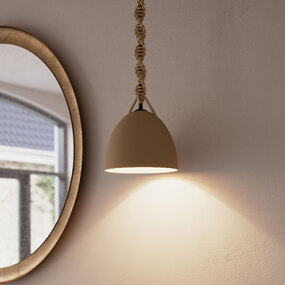
Because ceramic is generally opaque, many ceramic pendant shades use their form to control where illumination is directed. A downward-facing opening can concentrate light toward a kitchen island, dining table, counter, or other surface, while openings at the top or sides of a fixture may introduce additional ambient or decorative light.
The interior finish can also influence the lighting effect. Light-colored interiors may reflect illumination differently than darker surfaces, and some designs combine ceramic with glass, diffusers, or other materials to soften or redirect the light. Consider both the exterior appearance and light distribution when choosing a ceramic pendant for a particular application.
Choosing the Right Ceramic Pendant Light
Start by considering the scale and function of the fixture. Smaller ceramic pendants can work individually in compact spaces or be repeated over islands and counters, while larger designs can anchor dining areas, entryways, and seating arrangements. Compare fixture width and height with the dimensions of the room and any furniture or surface below it.
Next, consider the light source, light distribution, suspension length, finish, and material combinations. Ceramic pendants may use replaceable bulbs or integrated LED sources depending on the design. Check individual specifications for bulb requirements, light output, color temperature, dimming compatibility, and installation details rather than assuming these features based on the fixture's appearance.
Shop Ceramic Pendant Lights at Lightology
Explore ceramic pendant lights at Lightology for kitchens, dining rooms, entryway










 …


 …


 …


 (312) 944-1000
 215 W. Chicago Avenue, Chicago, IL 60654