Wood Chandeliers for Distinctive Interior Spaces
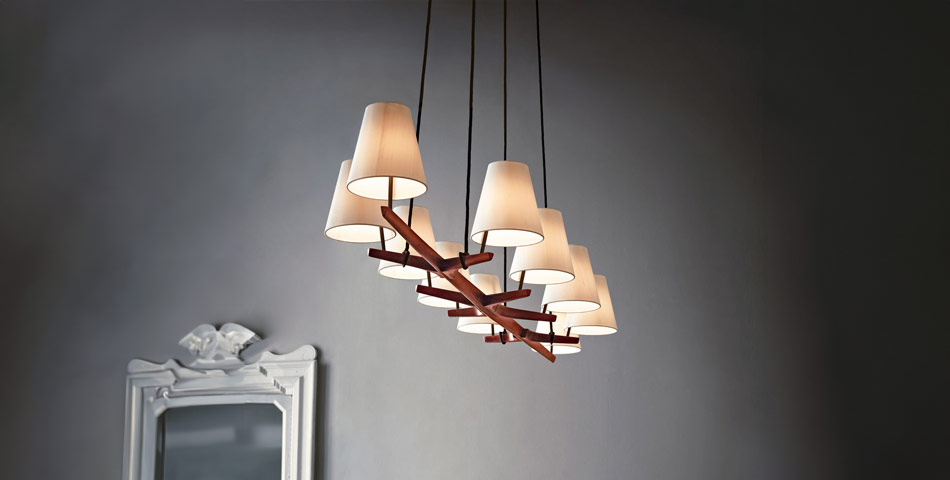
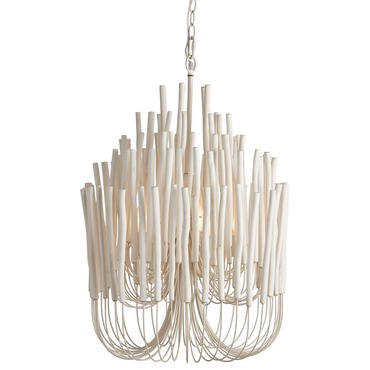
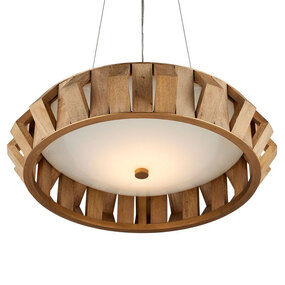
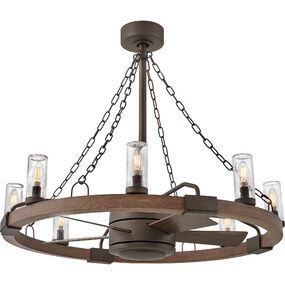
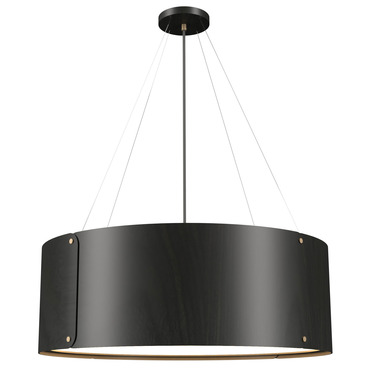
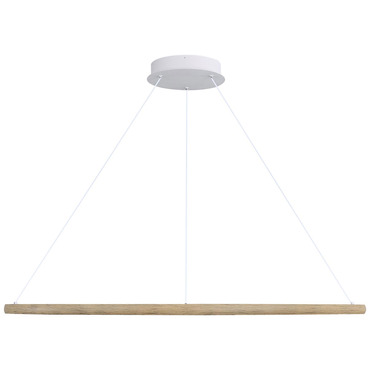
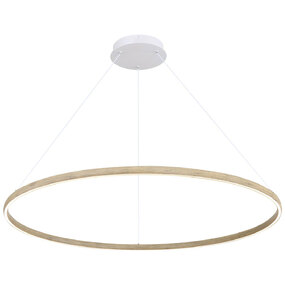
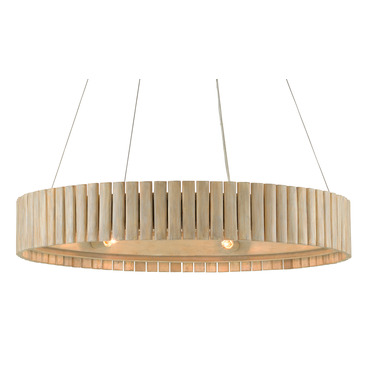
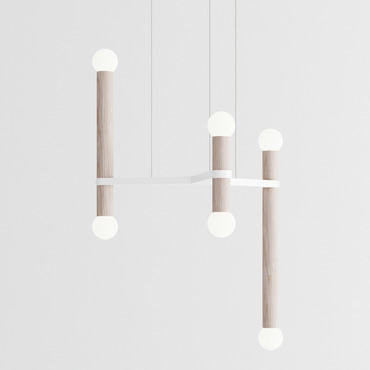
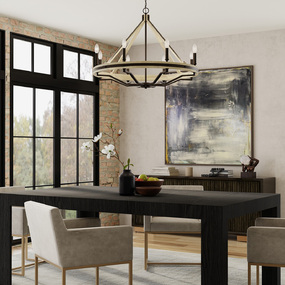
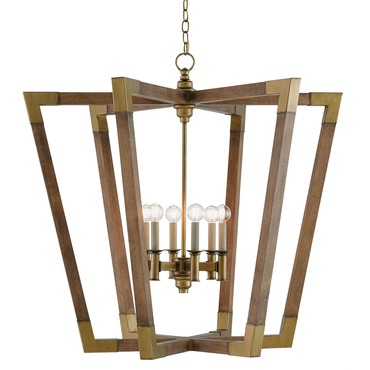
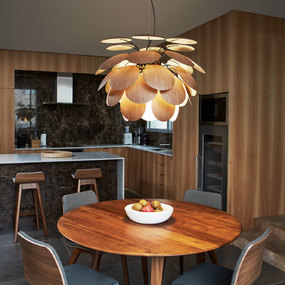
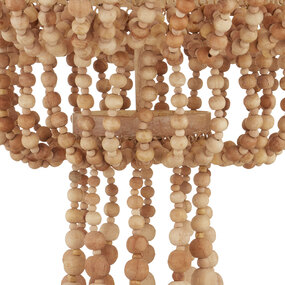
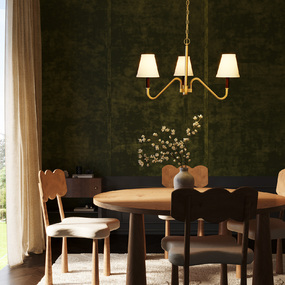
Wood chandeliers offer a compelling alternative to traditional metal and glass fixtures, bringing natural variation, sculptural form, and a sense of craftsmanship to overhead lighting. Their larger scale allows the material to take center stage, revealing grain, tonal shifts, and construction details that can make each design feel especially considered. In a dining room, living area, entryway, or vaulted space, a wooden chandelier can define the room without relying on excessive ornament.
Choosing the Right Wood Chandelier
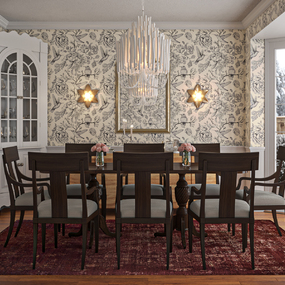
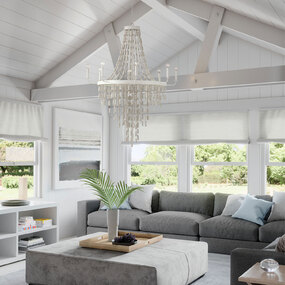
Scale is one of the most important factors when selecting a chandelier. A fixture placed above a dining table should feel substantial enough to relate to the table below while still leaving the surrounding space open and comfortable. In foyers and great rooms, multi-tiered or wide-span designs can help fill vertical space and create a stronger architectural presence. Smaller wood chandeliers work well in bedrooms, breakfast areas, and intimate seating spaces where a more restrained silhouette is appropriate.
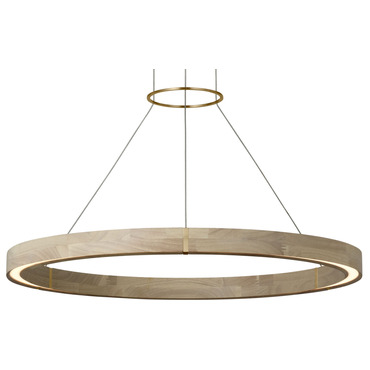
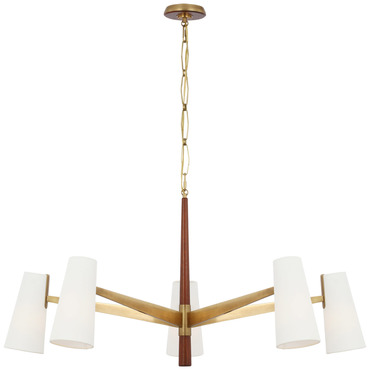
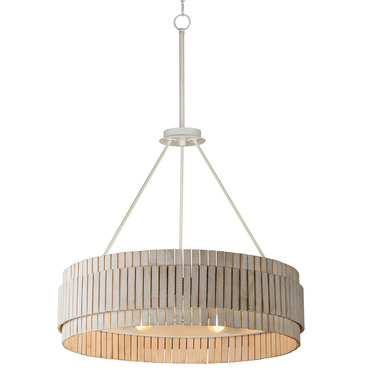
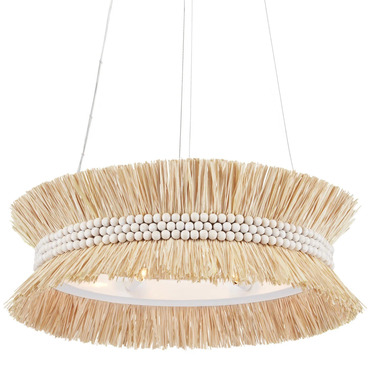
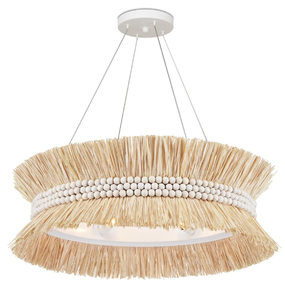
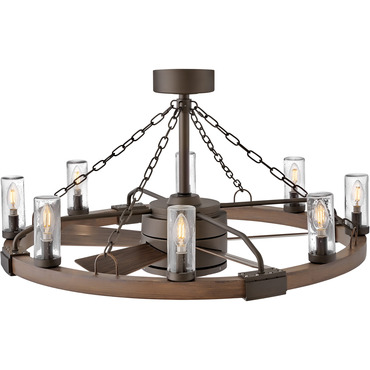
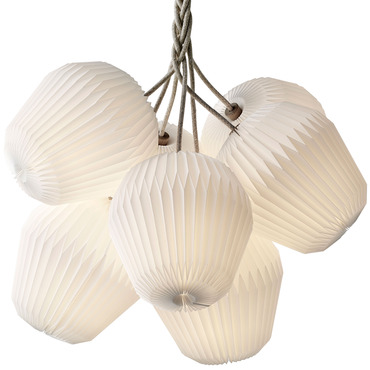
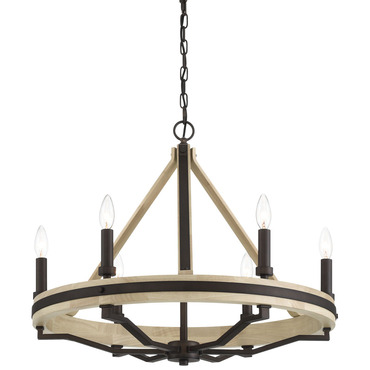
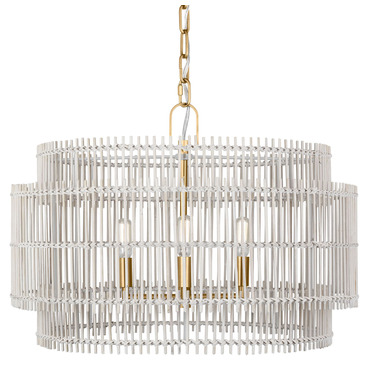
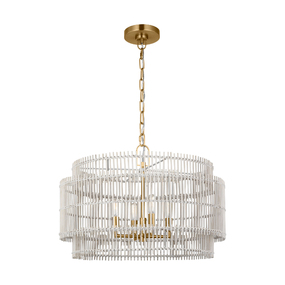
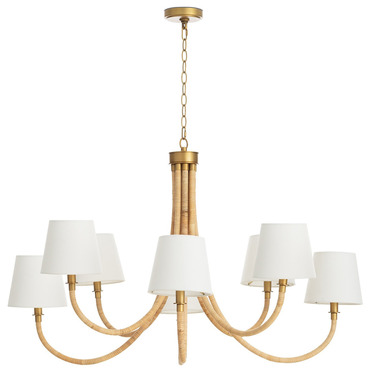
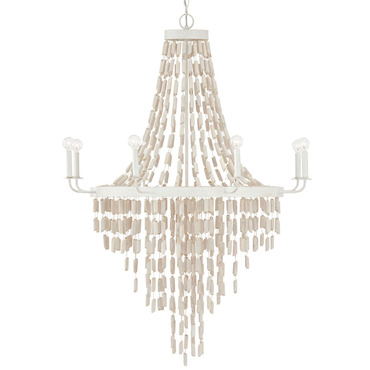
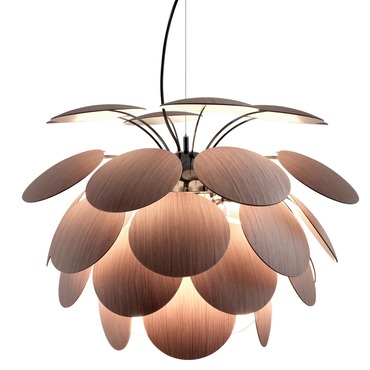
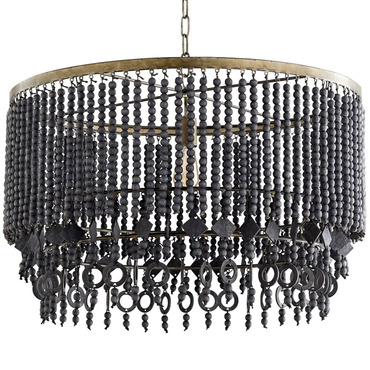
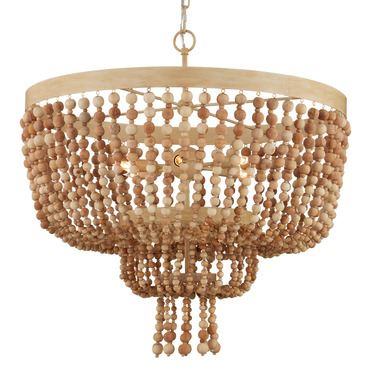
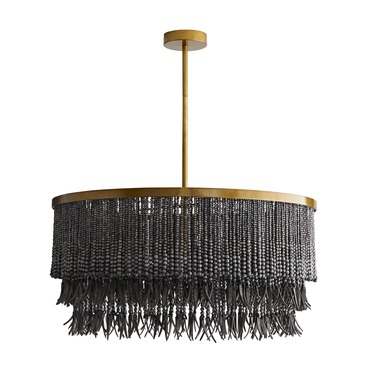
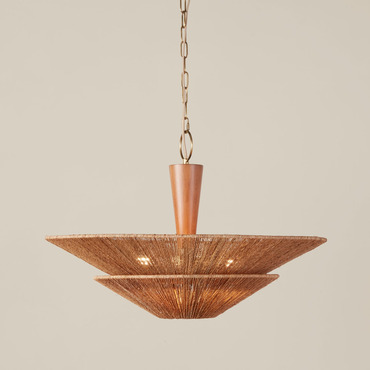
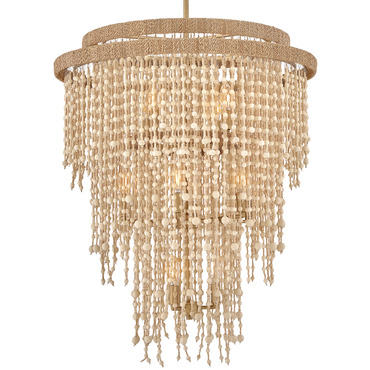
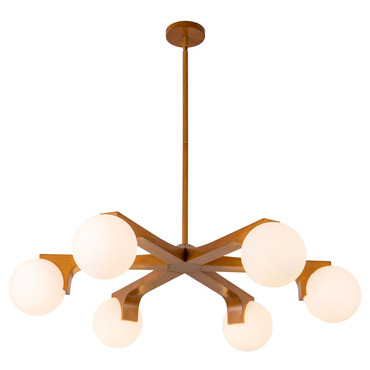
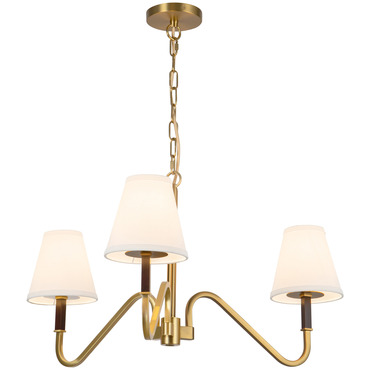
The finish of the wood also plays a major role in the overall effect. Pale oak, ash, and beech lend themselves to airy Scandinavian and Japandi interiors, while walnut, teak, and darker stains introduce greater contrast and visual weight. Distressed or reclaimed finishes suit rustic and farmhouse settings, and smooth, precisely shaped wood components can feel distinctly modern. Mixed-material chandeliers may combine wood with blackened metal, brass, linen, glass, or woven elements for added depth.
Where Wood Chandeliers Work Best
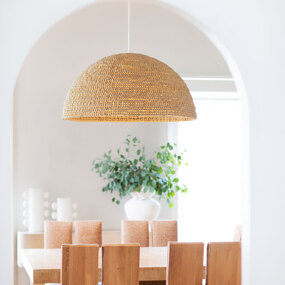
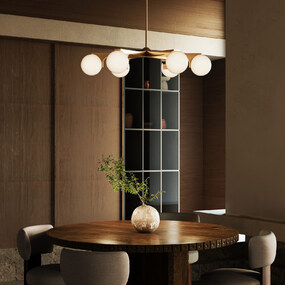
A wood chandelier can serve as the main focal point in a dining room, especially when its proportions echo the table beneath it. In living rooms and great rooms, broader designs help organize open floor plans and establish a clear center of attention. Entryways benefit from the immediate sense of character wood provides, while bedrooms and offices can use smaller-scale chandeliers to introduce a more decorative layer of light.
Ceiling height should also guide the selection process. Rooms with standard ceilings may be better suited to compact or vertically restrained fixtures, while taller ceilings can accommodate elongated frames, multiple tiers, or generous suspension lengths. Many chandeliers offer adjustable stems, chains, or cables, making it easier to tailor the installation to the room. Sloped-ceiling compatibility should be confirmed when the fixture will be mounted on an angled surface.
Lighting Performance and Placement
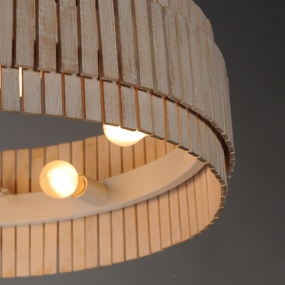
Beyond appearance, consider how the chandelier contributes to the room's lighting plan. Designs with exposed bulbs often produce a more expansive, decorative glow, while shaded or diffused fixtures can create softer illumination. Dining spaces benefit from dimmable lighting that can transition between everyday use and more atmospheric settings. Pairing a chandelier with recessed lighting, wall sconces, or portable lamps also helps prevent the room from relying on a single source of light.
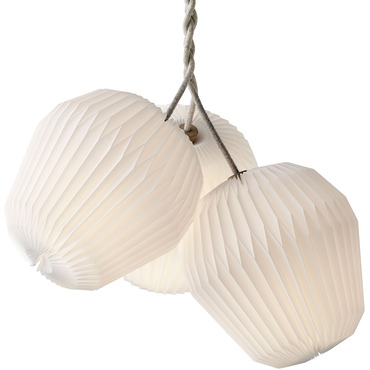
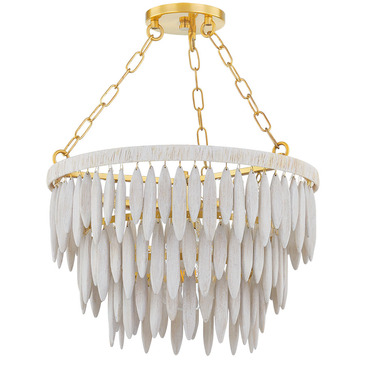
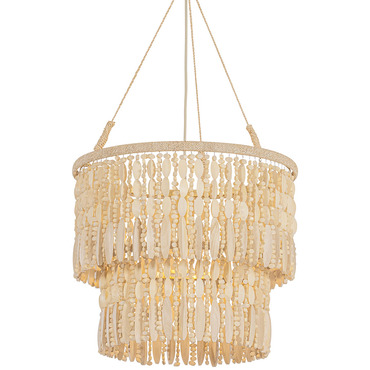
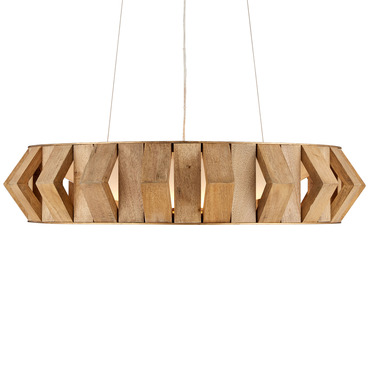
At Lightology, our selection of wood chandeliers includes contemporary geometric forms, handcrafted designs, rustic interpretations, and refined fixtures influenced by Scandinavian and mid-century aesthetics. Explore wooden chandeliers in a range of sizes, finishes, and configurations to find a design that complements the architecture of your space while adding lasting material interest overhead.



































 (312) 944-1000
 215 W. Chicago Avenue, Chicago, IL 60654