Wood Wall Sconces for Layered, Architectural Lighting
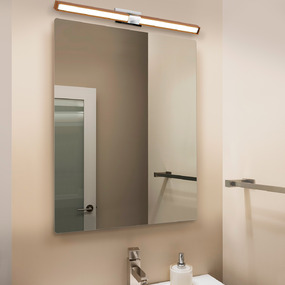
Wood wall sconces occupy a unique place in a lighting plan: they function as both a source of illumination and an integral part of the room's architecture. Installed at eye level, they draw attention to material, proportion, and craftsmanship in a way that overhead fixtures cannot. The natural grain and tonal variation of wood also give each piece a distinctive presence, helping even simple silhouettes feel thoughtfully designed.
Where to Use Wood Wall Lighting
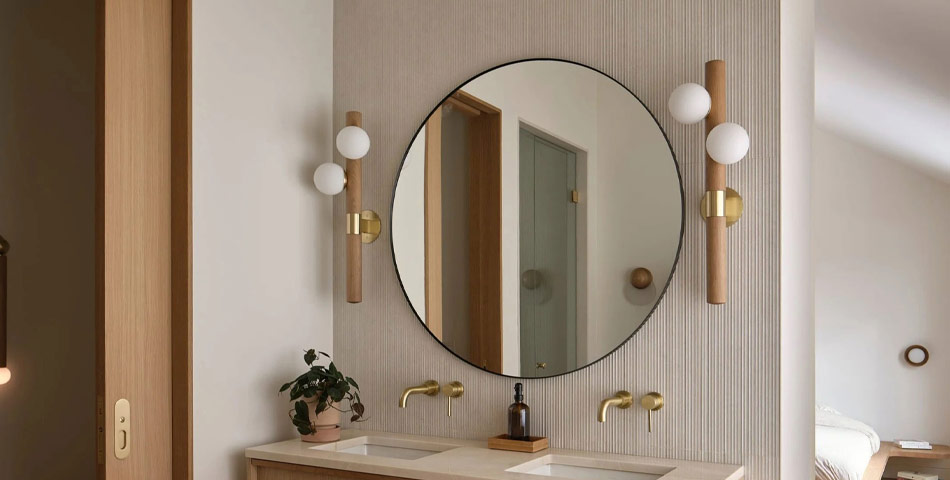
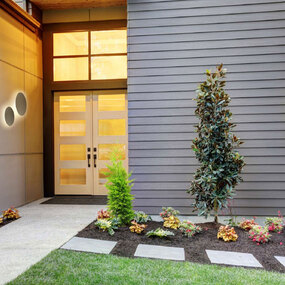
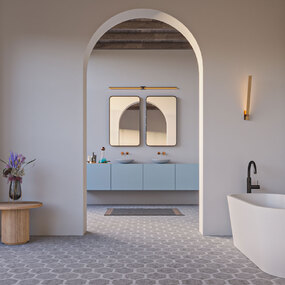
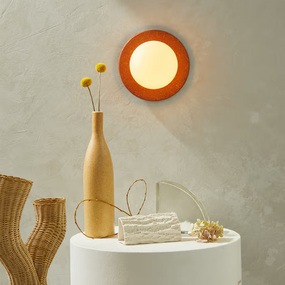
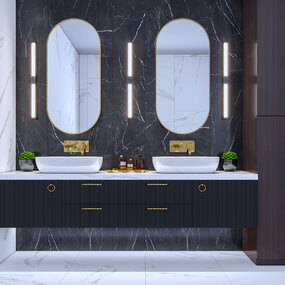
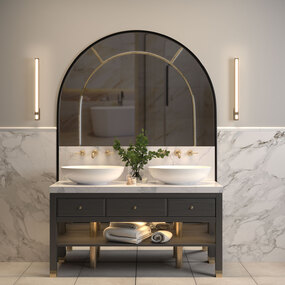
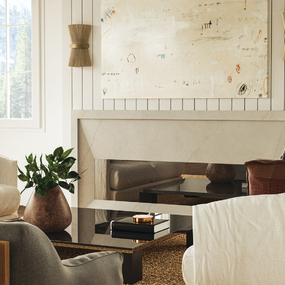
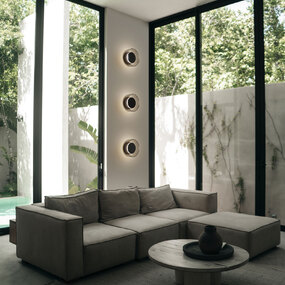
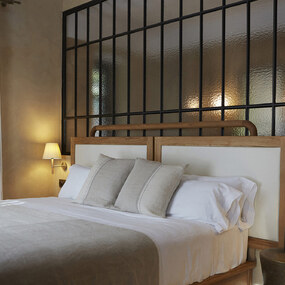
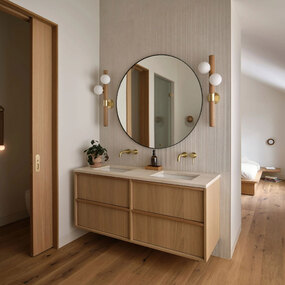
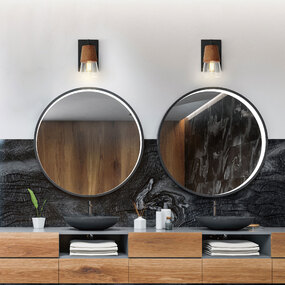
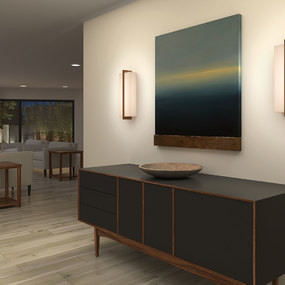
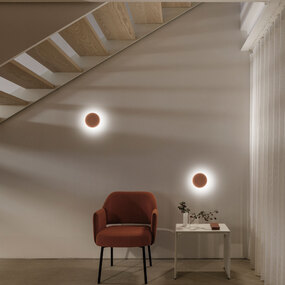
Wall sconces can solve a wide range of lighting needs without taking up floor or tabletop space. In bedrooms, they can replace traditional bedside lamps and leave nightstands clear. Along hallways and staircases, evenly spaced fixtures establish rhythm and improve visibility. A pair of sconces can frame a fireplace, mirror, doorway, or piece of artwork, while a single sculptural design can serve as a decorative accent in a reading corner or entryway.
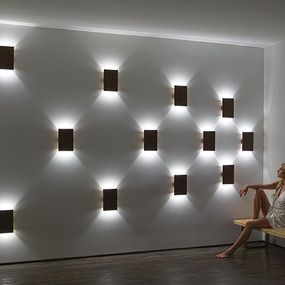
Placement should reflect both the purpose of the light and the proportions of the surrounding furnishings. Bedside sconces are generally positioned within easy reach, while fixtures used for ambient lighting are often mounted higher to distribute illumination more broadly. When installing multiple wall lights, consistent spacing creates a more cohesive result. Exact mounting height may vary based on ceiling height, fixture dimensions, furniture placement, and the direction of the light.
Materials, Finishes, and Design Details
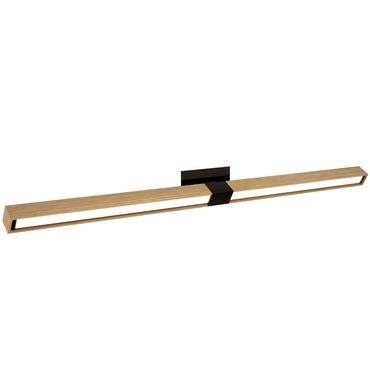
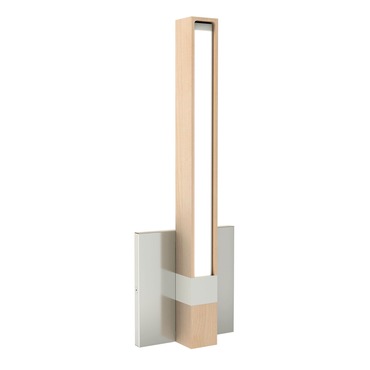
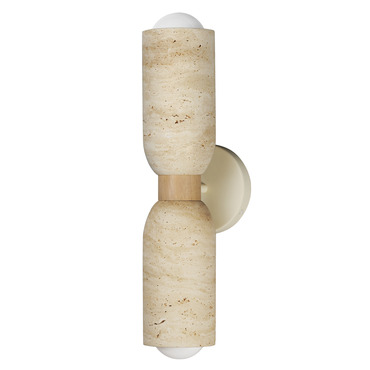
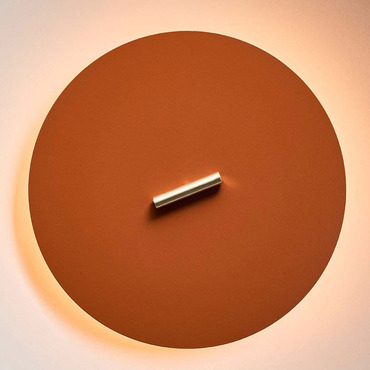
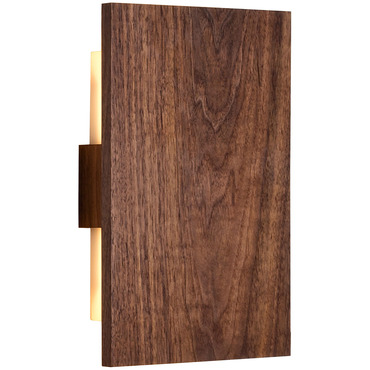
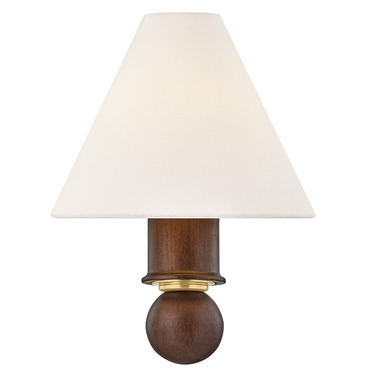
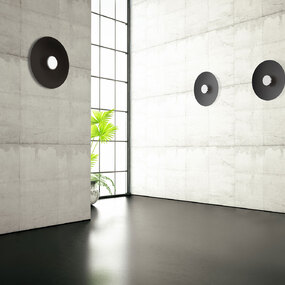
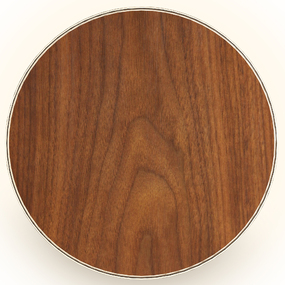
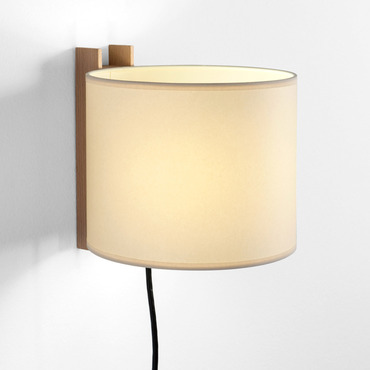
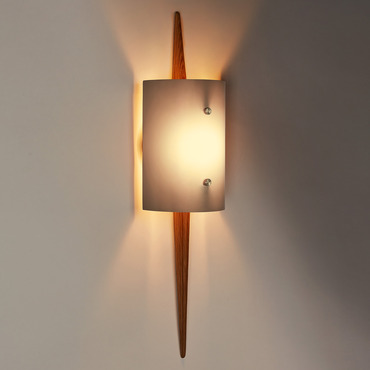
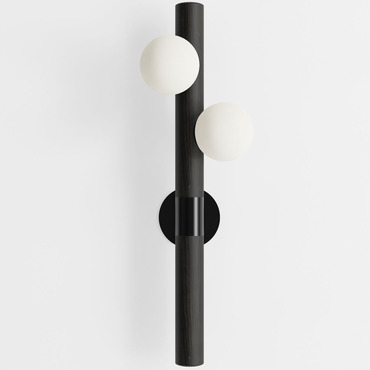
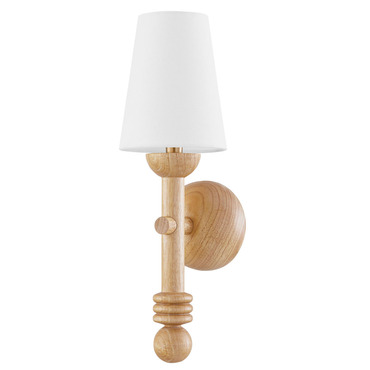
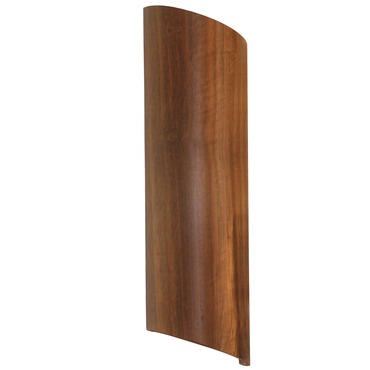
The character of a wood wall sconce depends heavily on how the material is shaped and finished. Turned wood components can give a fixture a furniture-like quality, while bent plywood, carved forms, and slatted construction create more sculptural effects. Dark stains lend definition against pale walls, whereas lighter finishes blend easily into neutral surroundings. Some designs allow the grain to remain prominent; others use painted or washed treatments for a more subtle interpretation of wood.
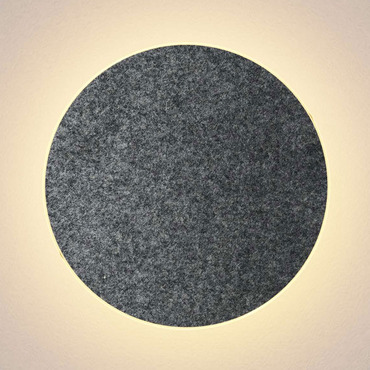
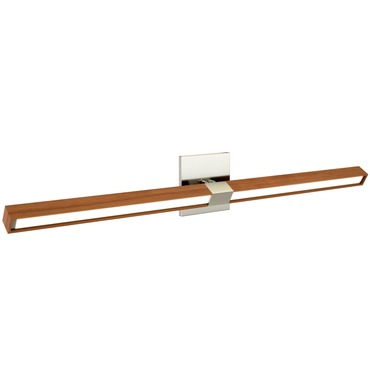
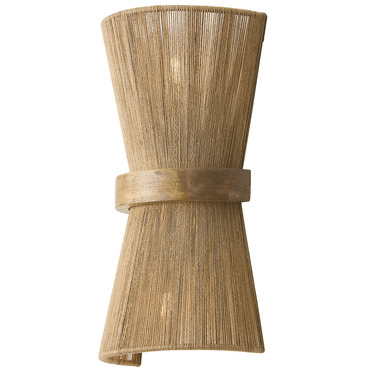
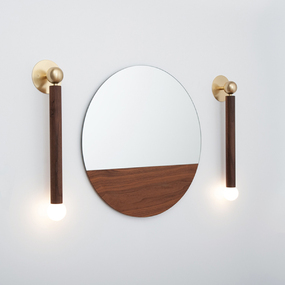
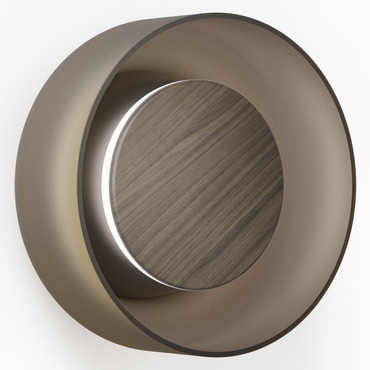
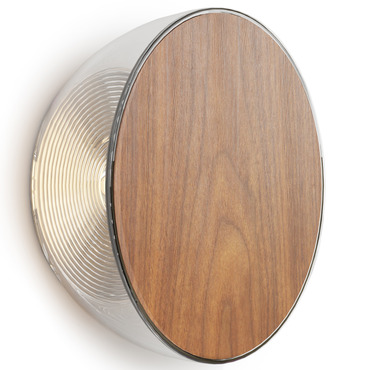
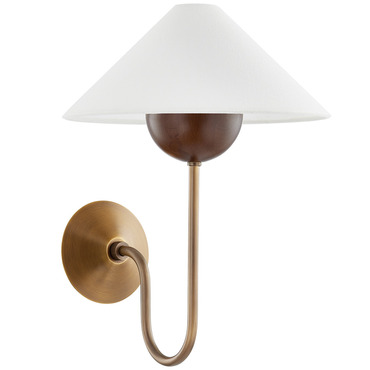
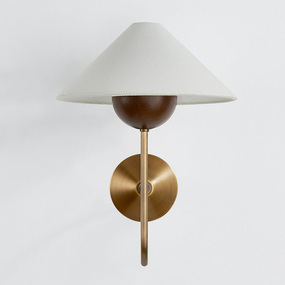
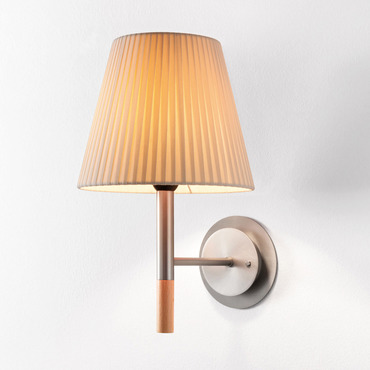
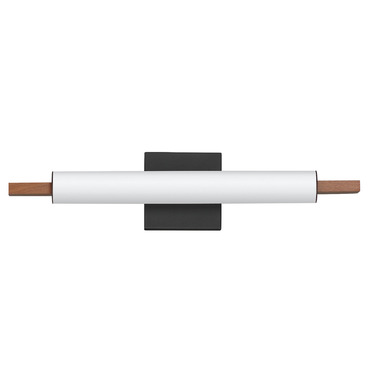
Mixed-material combinations expand the range of available looks. Wood and metal create crisp contrast, while glass diffusers temper the light and add visual lightness. Fabric shades can produce a softer, residential feel, and plaster or ceramic elements introduce another layer of tactile interest. These pairings make wood sconces easy to coordinate with cabinetry, flooring, furniture, hardware, and other finishes already present in the room.
Selecting the Right Type of Sconce
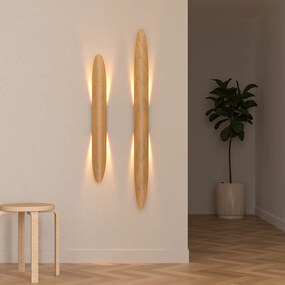
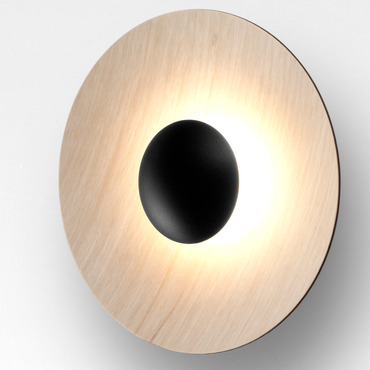
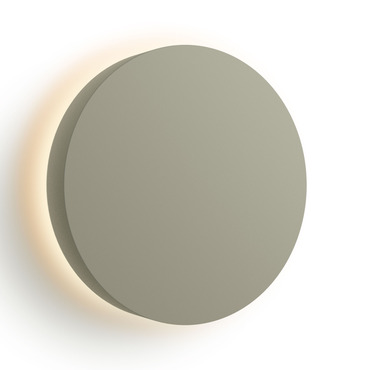
Consider how the fixture directs light before choosing a design. Upward-facing sconces can reflect light off the wall and ceiling, contributing to general illumination. Downward-facing models are useful for focused applications, while fixtures that cast light in both directions create a more architectural effect. Shaded and diffused designs reduce glare, and adjustable arms or rotating heads offer added flexibility for reading and task lighting.
The light source is another important consideration. Integrated LED wall sconces often have a slim profile and may include features such as dimming or a specified color temperature. Bulb-based fixtures provide greater freedom to select the brightness and appearance of the light, provided the bulb meets the manufacturer's requirements. Always review product specifications for dimmer compatibility, damp-location suitability, installation requirements, and other performance details relevant to the space.
Creating a Balanced Lighting Scheme
Wall sconces are most effective when used as part of a layered lighting plan rather than as the room's only light source. Combining them with pendants, chandeliers, recessed lighting, floor lamps, or table lamps allows different areas of the room to be illuminated independently. This approach can make a space more comfortable and adaptable, supporting everything from everyday tasks to quieter evening settings.
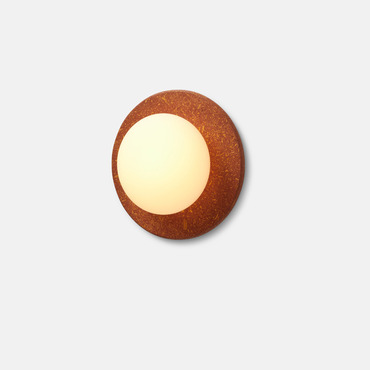
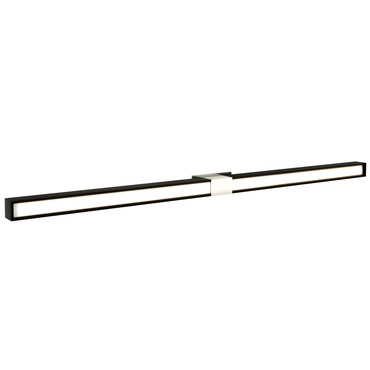
Lightology's selection of wood wall sconces includes understated geometric forms, handcrafted statement pieces, adjustable reading lights, and designs that pair wood with glass, metal, and fabric. Compare fixture size, projection, light direction, finish, and installation requirements to find a wall light that works naturally with the scale and function of your space.


















 …
…













 …
…

















 (312) 944-1000
 215 W. Chicago Avenue, Chicago, IL 60654